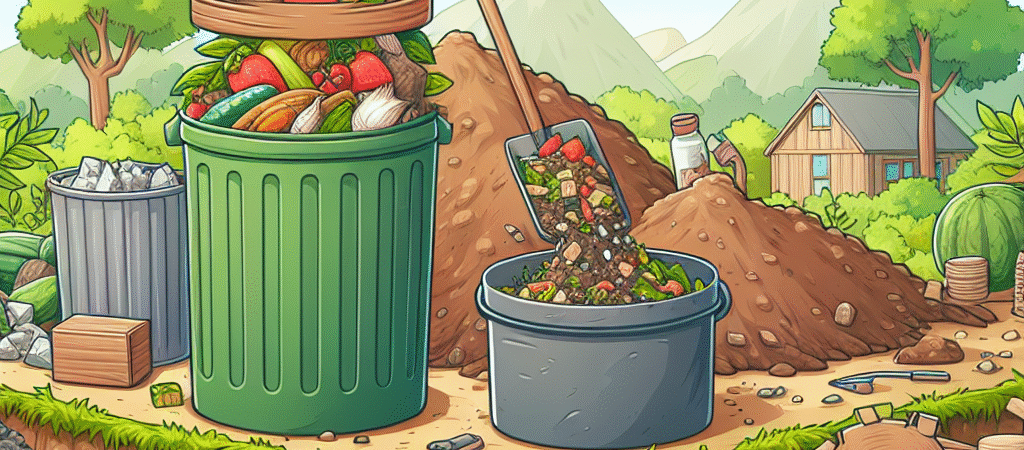
Composting for Preppers: Turn Waste Into Long-Term Fertility
In an unpredictable world, preppers understand the importance of creating a sustainable lifestyle. Composting, a core component of self-reliance and sustainability, transforms everyday waste into a resourceful asset—the rich, fertile soil that can sustain life. If you’re looking to strengthen your resilience, build a composting system that fits your lifestyle, and prepare for the unexpected, this guide will set you on the path to mastering the art of composting.
- Understanding Composting: The Basics
- Setting Up Your Compost System
- Managing Your Compost: Techniques and Tips
- Benefits of Composting for Preppers
- Troubleshooting Common Issues
- Conclusion
- FAQ
Understanding Composting: The Basics
Composting is more than a waste disposal method; it is a process that transforms organic material into nutrient-rich soil. At its core, composting requires organic matter like food scraps, leaves, and even paper, which microorganisms decompose into humus over time. For preppers, it’s not just about reducing landfill waste but creating a sustainable cycle of life that encourages self-sufficiency.
The process begins with gathering your organic materials—such as vegetable peels, coffee grounds, eggshells, and garden trimmings. These are classified broadly into ‘greens’ (rich in nitrogen) and ‘browns’ (high in carbon). The metabolic activity of microbes accelerates when these components are balanced in a typical ratio of three parts brown to one part green. Oxygen and moisture are critical in this metabolic reaction, allowing aerobic organisms to thrive and expedite decomposition.
One inspiring story comes from a community garden project in Maine, where preppers have banded together to create a large-scale compost heap. By sourcing waste materials from local restaurants and homes, they enrich their gardens, promoting a culture of shared sustainability and self-reliance. This approach effectively reduces reliance on synthetic fertilizers and external resources, creating an empowered, prepper-focused community.
Setting Up Your Compost System
Setting up a compost system can seem daunting, but with mindful planning, it is a manageable and rewarding endeavor. Start by choosing the location for your compost pile or bin. Opt for a site that is easily accessible yet distant enough from the home to prevent pests. A shaded or partially sunny location that is well-drained is ideal.
Once the site is selected, decide on an appropriate containment method. Options include simple open piles, DIY wooden bins, or more advanced tumblers, each with unique benefits and considerations. For preppers living off-grid or in remote locations, a simple pile offers the easiest setup without the need for purchased equipment. However, a tumbler may provide a more rapid decomposition process, which is helpful when efficiency is essential.
Consider this scenario: Jane, a homesteader in New Mexico, leverages an old wooden crate and wire mesh to build a cost-effective bin that withstands harsh winds. Her ingenuity reflects the prepper’s mindset—strategically using available materials to solve problems. By regularly turning her pile and monitoring moisture levels, she strikes a balance that accelerates composting even in arid conditions.
Managing Your Compost: Techniques and Tips
Managing compost involves monitoring and adjusting as needed to maintain an effective decomposition process. Regular turning or aeration is crucial, as it mixes the materials and introduces oxygen into the pile, which can prevent odors and support aerobic bacterial activity. Every few weeks, use a garden fork or compost aerator to mix the pile thoroughly.
Water is another critical factor. The compost should be as moist as a damp sponge, which means adding water during dry spells or when incorporating dry materials as ‘browns.’ While managing moisture, keeping the compost covered can aid in maintaining the correct levels and temperature.
Temperature is a reliable decomposition indicator. Typically, a hot compost pile should reach between 130-160°F to destroy pathogens and weed seeds. Fred, a prepper in Ohio, cleverly designed a simple temperature gauge using a repurposed meat thermometer. His advice is to observe your compost visually and olfactorily: an earthy smell is good news, indicating that the pile is healthy and progressing well.
Benefits of Composting for Preppers
Composting offers an array of benefits, making it an essential practice for preppers focusing on sustainability and resilience. Environmentally, it reduces the carbon footprint by minimizing waste sent to landfills, which can produce methane, a potent greenhouse gas. This step toward environmental stewardship aligns with the prepper ethos of minimizing harm and maximizing self-reliance.
Moreover, composting enriches the soil by providing a balanced blend of nutrients, enhancing moisture retention, and encouraging beneficial microbial activity. Enriched soil leads to healthier plants, increased crop yields, and a more productive garden, securing food sources over a long-term horizon, crucial for survival and sustainability.
Consider the benefits Headley, another resourceful prepper, experienced. His composting efforts yielded abundant harvests, providing enough produce for his family and extra to barter with neighbors. This sense of community and preparedness underscores the relevance of composting as part of a comprehensive prepper strategy.
Troubleshooting Common Issues
Despite best efforts, composting may sometimes present challenges. A prevalent issue is an imbalance of greens and browns, resulting in a perpetually soggy or dry pile. If the pile emits a foul odor, it’s likely too wet or lacking oxygen; turning it and adding more browns often remedies this. On the other hand, a dry compost pile that decomposes slowly can be reinvigorated by adding water or increased greens.
Animal pests, like raccoons or rodents, may find their way into compost if food scraps are poorly managed. Solving this can involve using a secure lid or employing mesh to cover the pile. Maintaining a more considerable amount of browns on top serves as a natural deterrent.
Emily, in the Pacific Northwest, tackled persistent fruit fly infestations by deepening her browns coverage and ensuring her bin remained closed. Her patience and adaptability illustrate a key prepper lesson: resilience is built on the ability to troubleshoot and overcome diverse challenges.
Conclusion
Composting stands as a cornerstone of prepping—transforming waste into a regenerative resource that supports long-term self-sufficiency. By embracing these practices, preppers cultivate not only fertile soil but a holistic approach to environmental stewardship and community resilience. As you embark on your composting journey, remember that patience and adaptability are your greatest allies, helping you build a sustainable future one compost heap at a time.
FAQ
Why is composting important for preppers?
Composting is crucial for preppers as it transforms waste into valuable soil, reducing dependency on external resources and ensuring self-sufficiency. By enriching the soil with nutrient-dense humus, it also helps secure a sustainable food source.
How do I start composting with limited space?
For those with limited space, consider vermicomposting, which uses worms in a small bin environment to degrade waste efficiently. Compact compost tumblers or bins are also excellent options for patios or balconies.
How can I prevent animals from invading my compost pile?
To deter animals, use a secure lid on your compost bin and maintain a robust layer of browns. Avoid including meat or dairy products, which attract pests, and regularly cover kitchen scraps with soil or finished compost.
What should not be included in a compost pile?
Avoid adding meat, bones, and dairy to your compost, as they attract pests and create odors. Similarly, refrain from adding fatty or oily substances, synthetic chemicals, and diseased plants that could introduce pathogens to your garden.