How to Make a No-Till Garden for Long-Term Soil Health
In the world of survival gardening, achieving a thriving, self-sustaining garden is the pinnacle of preparedness and resilience. No-till gardening is an ancient yet revolutionary method that promotes soil health and maximizes productivity without the disruption caused by traditional tilling. This comprehensive guide will walk you through the essentials of creating a no-till garden, tailored for the American prepper, homesteader, and self-reliance enthusiast. Embark on this journey towards sustainability and future-proof your garden against the challenges of tomorrow.
- Getting Started with No-Till Gardening
- The Science Behind No-Till Gardening
- Building the Perfect No-Till Garden Bed
- Choosing the Right Plants and Cover Crops
- Maintaining a No-Till Garden Through Seasons
- Conclusion
- FAQ
Getting Started with No-Till Gardening
The transition to a no-till gardening approach can seem daunting, especially if you’re accustomed to traditional, labor-intensive gardening methods. However, starting a no-till garden is both simple and rewarding. Begin by selecting a location with adequate sunlight, as the success of your garden heavily relies on access to light. If you’re in a crowded suburb, consider converting sections of your backyard or using raised beds to maximize space.
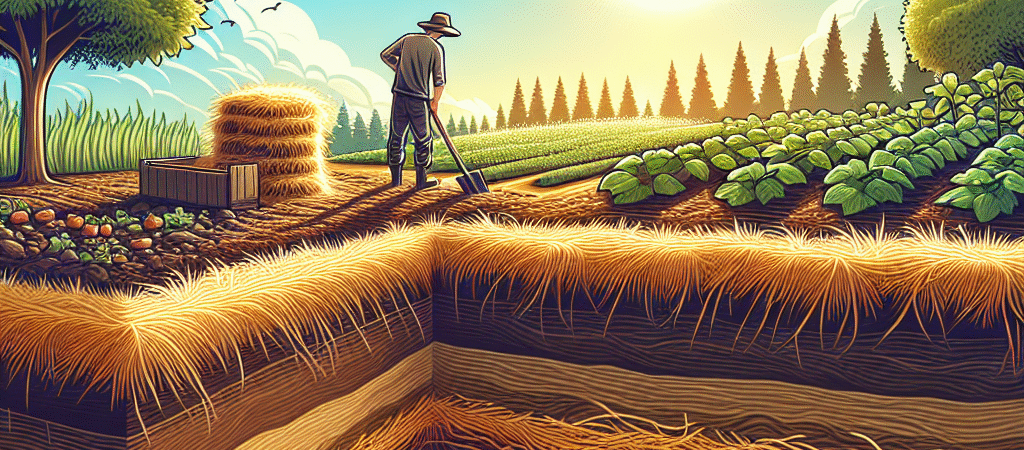
Prep your chosen area by mowing any existing vegetation close to the ground and avoid disturbing the soil structure. Layer organic materials like straw, leaves, and compost to create a rich, nutrient-filled environment where your plants can thrive. Each layer serves as habitat for earthworms and beneficial microorganisms that naturally aerate and enrich the soil, eliminating the need for mechanical tilling.
No-till gardening is more than just avoiding a tool; it’s about building soil structures that foster long-term growth. Incorporate companion planting strategies to naturally repel pests and enhance nutrient uptake, ensuring a healthy ecological balance. As you observe your garden transform, the benefits of reduced labor and the joy of nurturing a self-sustaining plot will affirm your choice in adopting no-till strategies.
The Science Behind No-Till Gardening
Understanding the science behind no-till gardening is crucial for appreciating its positive impact on soil health. Traditional tilling disrupts the natural soil layers, leading to erosion and loss of vital organic matter. Conversely, no-till gardening preserves these unique soil layers and promotes biodiversity within the earth. Microbial life flourishes, creating a symbiotic relationship between fungi, bacteria, and plants – an essential component for a robust garden ecosystem.
One of the key benefits of no-till methods is the enhancement of soil carbon sequestration. By minimizing soil disturbance, no-till gardening allows more carbon to remain trapped within the soil, reducing greenhouse gas emissions and enhancing soil fertility. This natural process contributes to climate change mitigation while providing a nutrient-dense environment for crops.
Moreover, a no-till garden improves water retention. The rich organic layers increase the soil’s ability to hold water, reducing the need for frequent irrigation. This practice is particularly beneficial in areas prone to drought or for gardeners without access to constant water supplies. In essence, adopting no-till practices positions you to cultivate a garden that is both resilient to environmental stresses and optimal for healthy crop production.
Building the Perfect No-Till Garden Bed
Creating a no-till garden bed is as much an art as it is a science. The success of your garden hinges on the thoughtful assembly of various organic materials. Begin by layering cardboard or newspaper over your selected plot to suppress weeds and ingeniously partner with nature by promoting earthworm activity which aids in breaking down organic material.
Next, apply a thick layer of mulch composed of materials like straw, compost, and aged manure, each contributing rich nutrients to your soil. Aim for a thickness of 4-6 inches, a depth that ensures sufficient coverage and insulation without smothering plant roots. This organic material will gradually decompose, offering a continuous supply of nutrients to your plants and mitigating soil temperature fluctuations.
Once your bed is prepared, plant seedlings directly into pockets within the mulch. As these plants grow, their roots will expand and intertwine with the components of the bed, drawing nutrients and maintaining soil structure. To sustain your garden’s productivity, consistently top up the mulch and organic matter as they decompose, facilitating a regenerative cycle of growth and harvest. This maintenance routine not only ensures soil health but also encourages biodiversity, inviting beneficial insects and microorganisms into your garden ecosystem.
Choosing the Right Plants and Cover Crops
Plant selection in a no-till garden is crucial for establishing a symbiotic ecosystem that maximizes productivity. Prioritize native plants that are naturally suited to your region’s climate and soil conditions, as these species are more resilient to local pests and diseases. Consider planting a diversity of vegetables, herbs, and flowers that support pollinators and provide a natural pest control through companion planting.
In no-till gardening, cover crops play a fundamental role in sustaining soil health. These plants – such as clover, vetch, and rye – are grown specifically to fortify the soil between main crop cycles. Cover crops can fix nitrogen, improve soil structure, and suppress weeds by blocking sunlight. As they mature, simply cut them down and leave the organic matter to decompose on site, enhancing the soil’s nutrient content.
Moreover, rotating your crops annually prevents disease build-up and pest infestation. Practice intercropping strategies by pairing shallow-rooting with deep-rooting plants, ensuring balanced nutrient absorption and reducing competition. By carefully selecting your plants and employing strategic crop rotation, you achieve a resilient garden ecosystem that thrives without the disturbances of tilling.
Maintaining a No-Till Garden Through Seasons
Seasonal maintenance in a no-till garden requires attentiveness to the natural cycles of growth and dormancy. In spring, focus on invigorating your soil as you prepare for planting. As soon as the frost lifts, reinforce your garden bed with fresh layers of mulch and compost, setting the stage for robust spring growth.
During summer, ensure your garden remains moist but not waterlogged. The layers of mulch facilitate excellent moisture retention, but occasional watering and the use of shade cloth during extreme heat will prevent stress on your plants. Pay close attention to pest control via natural methods, such as introducing beneficial insects and employing companion planting techniques.
Autumn is a time for transition. As crop yields dwindle, allow certain plants to remain unharvested to protect the soil over winter and attract beneficial wildlife. This is also an ideal time to plant cover crops which will protect and enrich your soil through the colder months.
Winter demands less active upkeep, yet offers an opportunity to focus on planning and maintenance of your tools and garden infrastructure. Use this time to renovate decomposed organic layers and plan future plant arrangements. This cyclical, holistic approach ensures that your no-till garden thrives across all seasons, fortifying your preparedness strategy and enhancing your self-reliant lifestyle.
Conclusion
In conclusion, creating a no-till garden is an enriching endeavor that aligns with the principles of sustainability and self-sufficiency. By embracing these methods, you not only enhance the long-term health of your soil but also cultivate a resilient garden ecosystem capable of withstanding environmental stresses. Embrace the elegance of nature’s own systems, and allow your garden to flourish in harmony with the earth.
FAQ
What is the primary benefit of a no-till garden?
The primary benefit of a no-till garden is improved soil health. By avoiding soil disruption, a no-till approach preserves beneficial soil organisms, enhances water retention, and maintains soil structure, leading to more productive and resilient gardens.
How does no-till gardening help with water conservation?
No-till gardening aids in water conservation by maintaining organic matter like mulch on the soil surface. This layer reduces evaporation, increases water infiltration, and enhances the soil’s ability to retain moisture, which is especially beneficial during drought conditions.
Can I implement no-till practices in small urban gardens?
Absolutely. No-till practices are adaptable to gardens of all sizes, including small urban plots. Raised beds can be effectively managed through no-till methods, maximizing limited space and ensuring intense planting schedules without compromising soil health.
How does no-till gardening influence pest management?
No-till gardening naturally supports pest management by fostering a habitat for beneficial insects and promoting plant diversity. Companion planting acts as a natural pest deterrent, and healthier soils lead to more robust plants that are less susceptible to pest damage.