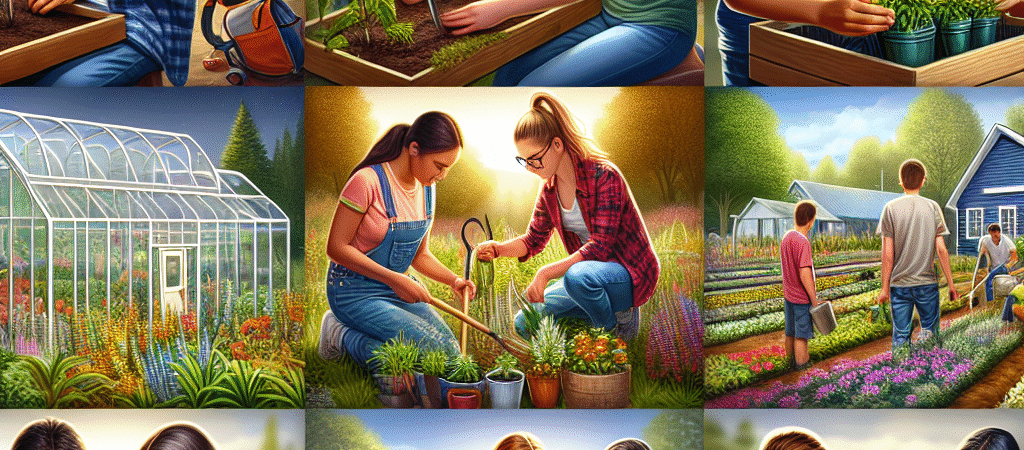
Teaching Teenagers Self-Reliance Through Garden Projects
In today’s fast-paced digital world, nurturing self-reliance in teenagers might seem like a tall order, but it’s more crucial than ever. Leveraging the timeless practices of gardening not only cultivates life skills but also empowers young adults to embrace independence and sustainability. This article unpacks innovative ways to teach teenagers self-reliance through practical, hands-on garden projects.
- The Importance of Self-Reliance in Teenagers
- Getting Started with Garden Projects
- Hands-on Learning Experiences
- Integrating Sustainability Principles
- Fostering a Sense of Community
- Conclusion
- FAQ
The Importance of Self-Reliance in Teenagers
Cultivating self-reliance in teenagers goes beyond academic success. In a world overflowing with distractions and dependencies, it’s vital that young individuals develop the ability to rely on their skills and instincts. Garden projects offer a unique platform to achieve this goal. Engaging teens in gardening teaches them responsibility, patience, and hard-earned satisfaction—a far cry from the instant gratification found on social media.
The garden is a living classroom where teenagers can witness firsthand the fruits of their labor, quite literally. As they learn to plant, nurture, and harvest, they discover the direct correlation between effort and reward. This foundational lesson in self-reliance extends beyond the boundaries of the garden, instilling in them a confidence to tackle future challenges independently.
Consider the case of a local high school in Portland, Oregon, where the integration of a garden program into the curriculum substantially improved students’ attitudes towards learning and self-reliance. Students involved reported an increased sense of pride and accomplishment as they saw their projects mature and flourish, paralleling their own growth in capability and confidence.
Moreover, teens learn to navigate unpredictability through gardening. Weather conditions, pest invasions, and unexpected plant diseases serve as real-life challenges that require problem-solving, adaptability, and resilience—qualities necessary for self-reliance. Encouraged to take ownership of their projects, students develop critical-thinking skills as they strategize ways to protect their plants and enhance their output. This proactive approach to overcoming obstacles is crucial in the journey to becoming self-reliant.
Getting Started with Garden Projects
For teenagers embarking on the journey of self-reliance through gardening, the initial step is to design a project that aligns with their interests and the local environment. Starting with a small, manageable garden plot allows them to focus on learning and nurturing without being overwhelmed. Projects could range from herb gardens, which are particularly rewarding due to their fast growth and usage in daily cooking, to vegetable patches that introduce the complexity of crop rotation and pollinator-friendly flowers.
An essential part of beginning any garden project is understanding the importance of soil. Teens should be encouraged to experiment with composting as a way of enriching their garden soil—a sustainable practice that teaches them about the nutrient cycle and reduces food waste. By transforming household scraps into rich, organic compost, teenagers not only improve the health of their plants but also enhance their problem-solving skills and learn valuable lessons in ecological stewardship.
Furthermore, incorporating technology can make gardening more appealing to tech-savvy teens. For instance, using apps to manage planting schedules, soil moisture levels, and plant identification adds a modern twist that bridges traditional gardening with the digital age. This marriage of old and new can inspire teens to investigate deeper into subjects such as horticulture or environmental science.
Engaging teenagers in research projects related to their garden is another impactful way to instill self-reliance. Tasks such as identifying the best planting season for each crop, understanding pest control methods, and even developing organic fertilizers can be excellent learning experiences that foster a sense of autonomy. With guidance, teens can document their findings and adjustments, creating a personal gardening manual that serves both as a reference and as evidence of their growing expertise and independence.
Hands-on Learning Experiences
The transformative power of gardening lies in its hands-on nature, which is particularly effective in teaching teenagers essential life skills. Direct experience in the garden not only bolsters manual dexterity and physical health but also reinforces lessons in biology, chemistry, and environmental sciences.
Tending to a garden requires a strategic approach, thus imparting planning and organizational skills. Teenagers learn to anticipate seasonal changes, allocate resources, and coordinate activities to optimize productivity. These skills are transferable to various aspects of life, from managing personal finances to running complex projects in professional settings.
Additionally, the therapeutic benefits of gardening cannot be overstated. In an era where mental health struggles are prevalent among teenagers, the calming nature of garden work offers much-needed respite. The act of nurturing plants provides a sense of purpose and can be meditative, lowering stress levels and improving overall mental well-being. Teens experiencing anxiety or depression may find solace in the garden’s predictability and the empowerment that comes with nurturing life.
For example, in San Antonio, Texas, a community gardening initiative aimed at empowering youth resulted in not only beautified neighborhoods but also enhanced youth engagement and emotional health improvements. The program encouraged teens to work collaboratively, share knowledge, and celebrate their achievements through garden-themed events. These experiences help teens cultivate interpersonal skills and develop a supportive network, which is crucial for building resilience.
Furthermore, garden projects provide an avenue for experiential learning. Building raised beds, constructing compost bins, or setting up rainwater harvesting systems are practical projects that teach engineering concepts. Teens learn to use tools, understand principles of mechanics, and engage in creative problem-solving, thus broadening their educational experience beyond the traditional classroom setting.
Integrating Sustainability Principles
As teenagers delve into gardening, it’s crucial to integrate sustainability principles to cultivate not only self-reliance but also a sense of environmental responsibility. By educating teens about sustainable practices, we lay the groundwork for them to become conscientious stewards of the planet.
Teaching teenagers about permaculture can be particularly effective. This approach to gardening focuses on working with nature rather than against it, using techniques such as companion planting, natural pest management, and water conservation. By designing their garden systems in harmony with the local ecosystem, teens learn to appreciate the interconnectedness of nature and the importance of sustainable practices.
One practical lesson involves water conservation. Teens can be challenged to set up a rainwater collection system to minimize water waste and ensure a reliable water source for their gardens even during dry spells. Similarly, introducing the concept of drought-resistant plants can teach youth how to adapt to changing climates and utilize resources efficiently.
In San Diego, a family implemented a sustainability-focused garden project that transformed their backyard into a thriving example of urban permaculture. The teenagers involved took charge of the project, researching plant species best suited for their climate and designing a layout that maximizes natural resources. This real-world application of sustainability concepts cultivated a deep appreciation for mindful living and environmental stewardship.
Moreover, considering the rising concern about food security and environmental degradation, incorporating sustainability into garden projects equips teenagers with essential skills to contribute positively to their communities. Encouraging them to experiment with growing their food reduces reliance on commercial food systems and nurtures a sense of self-sufficiency, which is paramount in today’s world.
The practice of seed saving is another sustainable practice that can be introduced. Teaching teens to collect, store, and plant seeds not only ensures the continuity of their garden project but also passes down the heritage of plant varieties, promoting biodiversity. Seed saving educates them on genetics, the importance of preserving natural plant traits, and participating actively in the cycle of life—a commitment to sustainability that will benefit future generations.
Fostering a Sense of Community
While the personal growth aspect of gardening is invaluable, encouraging teenagers to see it as a community-building opportunity amplifies its impact. A garden can be a central gathering place, fostering relationships among peers, neighbors, and even across generational lines.
Community gardens are ideal for teaching teenagers the importance of collaboration and shared goals. When they work alongside others in their community, they learn effective communication, leadership, and empathy. These spaces can host workshops, garden tours, or seasonal harvest festivals, where teens can showcase their skills, share their produce, and engage with the community.
For instance, the Green Teens Initiative in Brooklyn, New York, empowers teens by involving them in the local community garden. Participants manage not just the care of the garden plots but also organize events that bring together diverse members of the community. This involvement enhances their ability to work in a team, resolve conflicts, and appreciate cultural diversity, vital skills for effective community living.
Furthermore, intergenerational connections can be cemented through gardening. Pairing teenagers with older adults in a mentor-mentee relationship fosters the exchange of wisdom and perspective. Elder gardeners can offer traditional knowledge and practices, while teens bring fresh ideas and energy. This interaction cultivates respect and understanding across generations, enriching the community dynamic.
The sense of pride that comes with contributing to a thriving community initiative can profoundly enhance a teenager’s self-esteem and sense of belonging. As they witness their efforts benefiting others and beautifying their surroundings, they develop a profound connection to their community and an enduring commitment to civic responsibility.
Encouraging teenagers to donate excess produce to local food banks or shelters reinforces the value of altruism and community service. It underscores the idea that self-reliance extends beyond individual benefit, highlighting the impact of generosity and cooperation on societal well-being. This holistic approach to gardening not only provides practical skills but also nurtures a sense of purpose and interconnectedness essential for thriving in the modern world.
Conclusion
Empowering teenagers with self-reliance through garden projects is an investment in their future. By engaging them in practical, hands-on gardening activities, we equip them with the skills and mindset needed to navigate life’s challenges independently. From understanding sustainability to fostering community connections, gardening provides invaluable lessons that extend beyond the soil into every facet of their lives. As they cultivate and grow alongside their plants, teenagers also harvest a deeper awareness of their capabilities and responsibilities within the broader ecosystem.
FAQ
How can gardening teach teenagers self-reliance?
Gardening provides teenagers with the opportunity to learn self-reliance through hands-on experiences. By planning, planting, and caring for their own garden, they develop independence, problem-solving skills, and a strong work ethic. These tasks require initiative, responsibility, and resilience, instilling confidence and a sense of achievement as they directly witness the results of their efforts.
What are some beginner-friendly garden projects for teens?
Beginner-friendly garden projects for teens include herb gardens, which offer quick results and are relatively easy to manage. Vegetable patches are also suitable, providing insights into crop care, and seasonal gardening. Additionally, creating pollinator gardens can teach about biodiversity and the importance of ecological balance. Each project can be scaled to the teen’s interest and available space, ensuring an engaging learning experience.
Why is sustainability important in teenage garden projects?
Introducing sustainability in teenage garden projects is crucial as it educates them about environmental responsibility and the impact of their actions on the planet. By learning sustainable practices such as composting, permaculture design, and water conservation, teens understand the importance of preserving resources and biodiversity. This knowledge fosters a lifelong commitment to environmental stewardship, emphasizing the need for balance between human activities and nature.
How can garden projects foster a sense of community among teenagers?
Garden projects foster a sense of community by encouraging collaboration and shared goals. Teenagers working in community gardens learn teamwork, cooperation, and leadership skills, enhancing their social connections. These projects often bring together people of different backgrounds, fostering inclusivity and cultural exchange. Events like harvest festivals or educational workshops further strengthen community ties, with teens actively contributing to their local environment and collective well-being.