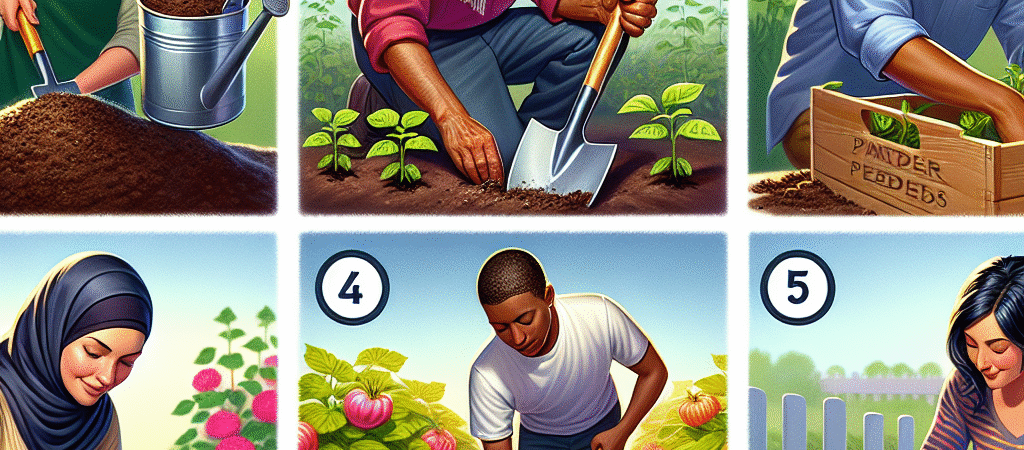
5 Prepping Skills Every Beginner Gardener Should Learn First
In an age where self-reliance and sustainability have become essential, growing your own food offers not only independence but also reassurance. As a beginner gardener, acquiring certain prepping skills lays the foundation for success and ensures your garden thrives despite challenges. Join us as we explore five indispensable skills every novice gardener should master.
- Understanding Soil Health
- Seed Selection and Storage
- Efficient Water Management
- Natural Pest Control
- Composting Techniques
- Conclusion
- FAQ
Understanding Soil Health
Soil health is the cornerstone of any thriving garden. It is the bedrock that supports plant growth by providing essential nutrients, water, and the necessary environment for roots. For beginners, getting familiar with the different types of soil—clay, sandy, loamy—can help tailor your approach to gardening. Loamy soil, for instance, is often considered ideal due to its balanced mixture of clay, sand, and silt. Testing your soil pH and nutrient content can further guide amendments, leading to a more productive garden.
A practical method to assess soil health is the simple squeeze test. Take a handful of moist soil and squeeze it. If the soil holds its shape but breaks apart when prodded, you likely have loamy soil, which is ideal for most plants. Conversely, if it stays compacted like clay or falls apart immediately, you’ll need to adjust by adding organic matter such as aged compost or well-rotted manure.
Healthy soil is a living ecosystem of its own, teeming with beneficial microorganisms. By incorporating cover crops during the off-season, you can naturally enrich the soil, fix nitrogen, and suppress weeds. Species such as clover or vetch are excellent choices, as they break down to provide essential nutrients while improving soil structure. Hence, understanding and maintaining soil health stands paramount not only for plant vitality but also for reducing dependency on chemical fertilizers.
Seed Selection and Storage
Deciding what seeds to plant is crucial, as it influences everything from plant care requirements to harvest success. Opt for heirloom seeds when possible; these are open-pollinated and have been passed down through generations, offering resilience and adaptability to local climates. Unlike hybrids, heirlooms provide the added benefit of seed saving for future use, thus promoting sustainability.
Consider the growing conditions and your climate zone when selecting seeds. For example, gardeners in USDA zone 5 will have different optimal planting times and choices compared to those in zone 9. Understanding these requirements will aid in crafting a garden blueprint that aligns with nature’s cycles, enhancing productivity.
Proper seed storage is an often-overlooked but vital skill. Seeds should be kept in a cool, dark, and dry environment to prolong viability. Using airtight containers with desiccants can help reduce moisture, a common culprit in seed degradation. Additionally, labeling your seeds, including the harvest date, ensures that you rotate stock efficiently and use older seeds first. By mastering seed selection and storage, you secure the genetic diversity and resilience of your garden throughout seasons.
Efficient Water Management
Water is a finite resource, and managing it effectively in a garden setting is both an environmental and practical concern. Beginner gardeners must navigate between under-watering and over-watering, both of which can devastate plant life. An understanding of the specific water needs of your plants, based on growth stage and environmental conditions, is crucial.
One real-life strategy is practicing mulching. By applying a layer of organic matter such as straw, grass clippings, or leaves on top of the soil, you significantly reduce evaporation, maintain temperature, and suppress weeds. Mulch acts as a protective barrier, conserving soil moisture and regulating temperature swings.
Drip irrigation systems are another feasible solution, especially for larger gardens. Unlike overhead sprinklers, drip systems deliver water directly to the plant roots. This targeted approach minimizes water waste and evaporation, allowing for consistent moisture levels. Rainwater harvesting systems, such as rain barrels connected to downspouts, can also supplement your water needs sustainably by utilizing natural rainfall. Efficient water management is about harmonizing conservation with the garden’s needs, ensuring sustainability and resilience against drought.
Natural Pest Control
Pests are inevitable in any garden, and their management is a key skill for gardeners striving for sustainability and self-sufficiency. The goal is not to eradicate pests completely but to maintain a balanced ecosystem where beneficial insects can thrive alongside harmful ones, naturally keeping the pest population in check.
A practical tip is to introduce companion planting into your garden strategy. Certain plants, when grown together, enhance each other’s growth and deter pests. For example, planting marigolds next to tomatoes can repel nematodes, while basil with peppers or tomatoes can ward off aphids and flies.
Encouraging natural predators is another effective method. Ladybugs, lacewings, and predatory beetles consume many common garden pests like aphids and mites. You can attract these beneficial insects by planting a variety of native flowers that provide nectar and pollen. Maintaining biodiversity in your garden supports not just pest control but the overall health of your garden ecosystem.
Creating physical barriers, such as row covers and netting, can also prevent pests from reaching your plants. This physical exclusion is particularly beneficial early in the season when seedlings are most vulnerable. Natural pest control is a testament to balance in the garden, permitting nature to regulate itself while minimizing the need for chemical interventions.
Composting Techniques
Composting is the art of recycling organic waste into nutrient-rich soil amendments, an essential skill for any prepper gardener. It helps reduce dependency on commercial fertilizers and encourages a closed-loop system in your home garden. Understanding the basics of what can and cannot be composted is a primary step. Kitchen scraps like vegetable peels, coffee grounds, and eggshells make excellent compost ingredients, while meat, dairy, and processed foods should be avoided.
Different composting methods work for different setups. Traditional compost bins or piles require turning to introduce oxygen, speeding up the decomposition process. Alternatively, vermicomposting uses worms to process organic material, suitable for smaller spaces or indoor options. This method is particularly efficient in producing a finished product referred to as worm castings, which are highly beneficial to soil health and nutrient content.
Ensuring the right balance of green (nitrogen-rich) and brown (carbon-rich) materials, alongside moisture and aeration, is key. A well-maintained compost pile should feel like a wrung-out sponge—damp but not soggy. As you fine-tune your composting techniques, you’ll witness a natural transformation from waste to a valuable garden resource, emphasizing sustainability and self-reliance.
Conclusion
Mastering these five prepping skills sets any beginner gardener on a path to success, fostering a productive, sustainable, and self-reliant garden. From understanding soil health to effective composting, these foundational abilities form the backbone of resilient gardening practices. Embracing these techniques not only ensures abundant harvests but also cultivates a deeper connection with nature, aligning your efforts with the timeless cycles of the earth.
FAQ
How do I test my soil’s pH level?
Testing soil pH can be accomplished with a home testing kit available at garden centers. Alternatively, you can use a simple vinegar and baking soda test. For a precise measurement, collect soil samples from different areas of your garden, mix them, and follow the kit instructions carefully. Having the right pH ensures optimal nutrient availability for your plants.
What are the benefits of using heirloom seeds?
Heirloom seeds offer numerous benefits, including the preservation of plant genetic diversity and adaptability to local conditions. They are open-pollinated, allowing you to save seeds from your harvest for future planting. Heirlooms often have unique flavors and characteristics, providing a rich gardening heritage and culinary experience.
How can I conserve water in my garden?
Conserving water involves several strategies, such as mulching, using drip irrigation systems, and collecting rainwater. Grouping plants with similar water needs helps optimize watering routines, and choosing drought-tolerant plant varieties can reduce dependency on additional watering. These practices promote efficient use of water resources in the garden.
What are some common pests to look out for in vegetable gardens?
Common pests in vegetable gardens include aphids, slugs, snails, caterpillars, and beetles. Implementing natural pest control strategies, such as encouraging beneficial insects and practicing companion planting, can help manage pest populations. Regular monitoring and early intervention play a crucial role in preventing pest outbreaks.