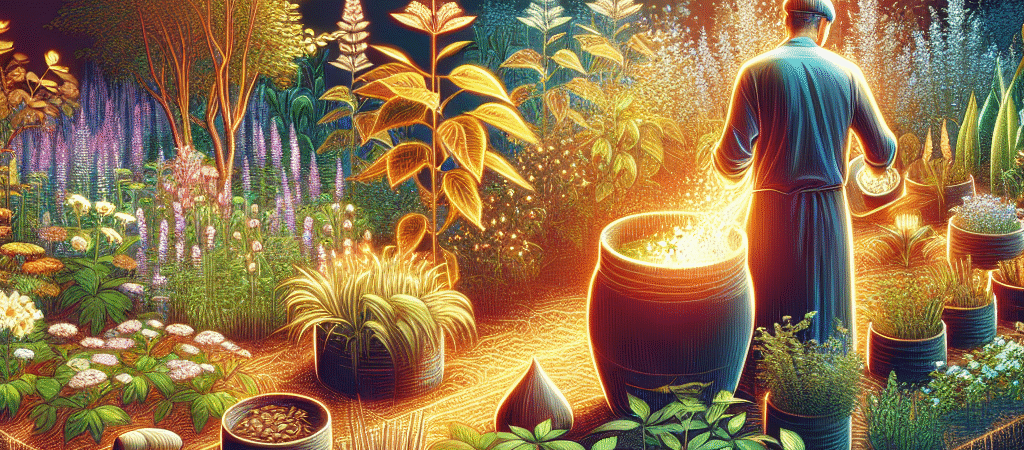
Grow and Use Medicinal Herbs for Self-Sufficiency
Imagine stepping outside into your own herbal haven, where nature’s pharmacy is just a stone’s throw away. By growing and using medicinal herbs, you not only enhance your self-sufficiency but also connect with timeless wisdom passed down through generations. This guide unveils the path to cultivating and utilizing medicinal herbs for a more sustainable and resilient lifestyle.
- The Importance of Medicinal Herbs in Self-Sufficiency
- Starting Your Herb Garden: A Step-by-Step Guide
- Maintenance and Sustainability of Your Herbal Garden
- Harvesting and Preservation Techniques
- Creating Herbal Remedies and Their Uses
- Conclusion
- FAQ
The Importance of Medicinal Herbs in Self-Sufficiency
The allure of medicinal herbs extends beyond their healing properties. For preppers, homesteaders, and those pursuing a self-reliant lifestyle, these plants offer a profound sense of autonomy. Medicinal herbs provide a natural means to address common ailments, reduce reliance on pharmaceuticals, and foster a deeper connection with the environment. In times of uncertainty or resource scarcity, having a well-stocked herbal garden is not just a luxury but a necessity.
Historically, herbs like echinacea and chamomile have been esteemed for their healing virtues, utilized by indigenous cultures and herbalists globally. Their resilience and adaptability make them ideal candidates for the self-sufficient gardener. You can tailor your herb garden to meet personal health needs, whether that’s boosting immunity, soothing digestive issues, or addressing skin care.
Investing in a medicinal herb garden also promotes biodiversity. By cultivating a variety of plants, you attract beneficial insects and enhance the health of your soil, creating a mini-ecosystem in your backyard. This not only supports plant growth but also contributes to the overall ecological balance. Moreover, cultivating medicinal herbs can reduce your carbon footprint by minimizing trips to the store for over-the-counter remedies.
From the philosophical perspective, growing medicinal herbs connects us to our roots. It’s a practice that encourages mindfulness and a deeper understanding of our dependence on nature. A garden of medicinal herbs is not just a source of physical healing; it’s an emblem of sustainability and resilience, embodying the ethos of self-sufficiency and preparedness.
Starting Your Herb Garden: A Step-by-Step Guide
Are you ready to embark on your journey of creating a medicinal herb garden? Whether you have acres of land or just a small balcony, you can grow a range of herbs that cater to your medicinal needs. The key is to start with a well-thought-out plan.
First, assess your space. Determine the amount of sunlight your garden area receives, as most medicinal herbs thrive in full sun. If space is limited, consider container gardening. Herbs such as mint and thyme are particularly suited to pots and offer the convenience of mobility.
Next, consider the soil. High-quality soil is the foundation of a healthy herb garden. A mix that is rich in organic matter and provides good drainage ensures your herbs establish strong roots. If your natural soil is subpar, amend it with compost or consider raised beds filled with a premium garden mix.
Choose a blend of perennial and annual herbs to start. Perennials like lavender and rosemary will provide year-after-year growth, while annuals such as basil and calendula can introduce variety each growing season. Plan for succession planting to keep your garden producing continuously. Learn about each herb’s requirements in terms of space, companion planting, and potential pests.
Integrating companion plants not only saves space but also fosters symbiosis, where plants support each other’s growth. For instance, planting dill alongside fennel helps control aphid populations. As you sow and harvest, keep a journal detailing your observations and lessons learned. This practice enhances your gardening skills and cultivates intention in your self-sufficiency practice.
Maintenance and Sustainability of Your Herbal Garden
Ensuring long-term productivity and vitality in your medicinal herb garden requires consistent and mindful maintenance. Sustainable gardening practices enhance your self-reliance by fostering a healthy environment for your herbs to thrive year after year.
Water management stands at the heart of garden maintenance. Medicinal herbs typically require moderate watering; however, factors like weather conditions and soil type heavily influence irrigation needs. Utilizing drip irrigation or soaker hoses can conserve water while providing consistent moisture. Mulching around herbs helps retain moisture and combat weed growth.
Fostering soil fertility is essential. Rotate your herbs yearly to manage soil nutrients effectively. Consider incorporating green manure or cover crops like clover during off-seasons to replenish soil nitrogen levels. Composting is another excellent way to enhance soil health and recycle organic waste into nutrient-rich garden soil.
Handling pests without resorting to synthetic chemicals can challenge any gardener. Promote biodiversity within your garden by encouraging natural predators like ladybugs and spiders. Planting marigolds around your herbs acts as a natural pest deterrent. Should challenges arise with infestations, homemade solutions such as neem oil or soap sprays can address many issues effectively.
Sustainable pest management strategies not only protect your herbs but also ensure the safety of the remedies you create from them. Keeping detailed records of your maintenance routines, remedies applied, and plant responses will provide crucial insights for future seasons, enabling you to refine your gardening strategies and bolster your self-sufficiency.
Harvesting and Preservation Techniques
Successfully harvesting and preserving your medicinal herbs ensures a continuous supply of homegrown natural remedies. Timing and technique are pivotal factors when it comes to capturing the full potency of your herbs.
Harvest herbs in the morning after dew has evaporated but before the sun is at its most intense, as essential oils are concentrated at this time. For leafy herbs such as basil or mint, gently remove leaves, never taking more than one-third of the plant to promote recovery and regrowth. Flowering herbs like chamomile should be harvested just as the flowers fully open for maximum efficacy.
Preservation methods such as drying, freezing, and fermenting fit into a prepper’s toolkit. Air drying is a classic method, suitable for herbs like oregano and thyme. Tie small bunches of herbs and hang them in a well-ventilated, dry space. For herbs like cilantro that do not dry well, freezing in ice cube trays with water or oil can preserve flavor and vital nutrients. Fermentation, although less common, can enhance the digestive benefits of certain herbs.
Storage is the final step. Dried herbs should be stored in airtight containers away from light to prevent degradation. Freezer-stored herbs maintain a vibrant color and potency. Consistently label and date your reserves to monitor freshness.
Mastering these preservation techniques not only extends the life of your herbal yield but ensures that, regardless of external circumstances, your self-sufficiency efforts remain fruitful year-round. Experiencing the journey from planting to preserving connects you to every aspect of life your garden supports.
Creating Herbal Remedies and Their Uses
The culmination of growing and preserving medicinal herbs is the creation of your own herbal remedies. These natural solutions empower you to address a variety of common health concerns with confidence, often with fewer side effects than conventional medications.
Herbal teas offer a soothing and accessible entry point into herbal remedies. Chamomile tea, famed for its calming properties, aids in reducing anxiety and improving sleep. Similarly, peppermint tea assists digestion and alleviates headaches. Craft these teas by steeping dried herbs in boiling water, allowing the beneficial compounds to infuse fully.
Salves and balms are age-old methods to apply herbs topically. To create a healing salve, infuse herbs like calendula with its anti-inflammatory properties in oil, then blend with beeswax to form a spreadable ointment. These homemade salves are ideal for skin irritations, minor cuts, and insect bites.
Extracting tinctures involves using alcohol or vinegar to concentrate the herb’s essence. They are advantageous for their long shelf life and potency. A few droplets of echinacea tincture can boost the immune system, particularly during flu season.
It’s important to approach herbal remedies with respect and diligence. Though natural, herbs can interact with medications and affect individuals differently. Always research the specific properties and potential contraindications of each herb. Keeping a detailed log of remedies and their effects enhances your understanding and ensures safe use.
Additionally, sharing your herbal creations with friends or within your community enhances communal resilience and awareness. As you deepen your knowledge and experience, you’ll contribute to the legacy of natural healing wisdom, further anchoring your commitment to living sustainably and self-sufficiently.
Conclusion
Embarking on the path of cultivating and using medicinal herbs for self-sufficiency weaves a profound tapestry of independence, sustainability, and well-being. As you grow and deepen your understanding of these potent plants, you become an active participant in a legacy that transcends time. Your herbal garden fosters not just physical health but a holistic connection to the world around you, empowering you to thrive in any circumstance, prepared and resilient.
FAQ
What are the best medicinal herbs to start with?
For beginners, basil, chamomile, peppermint, lavender, and echinacea are excellent choices. These herbs are easy to grow and offer a range of health benefits, from improving sleep to boosting immunity.
How can I ensure my herbal remedies are safe?
Ensure safety by researching each herb’s properties and potential interactions. Consult reputable sources, consider taking courses on herbal medicine, and keep a detailed log of your remedies and any reactions you observe.
What are the common challenges in medicinal herb gardening?
Common challenges include pest control, unpredictable weather conditions, and soil fertility management. Address these with organic pest solutions, adaptable plants, and sustainable soil enrichment practices such as composting and crop rotation.
Can I grow medicinal herbs indoors?
Yes, many medicinal herbs thrive indoors given adequate light and proper care. Herbs like mint, rosemary, and thyme are particularly suitable for indoor gardening, needing windowsill sunlight and consistent watering.