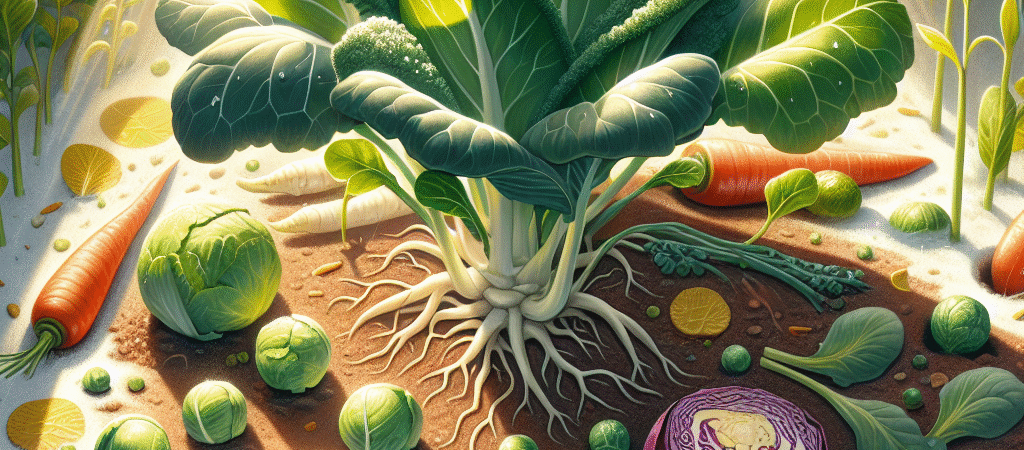
The Best Survival Crops for Shady or Cold Climates
Surviving and thriving in less-than-ideal gardening conditions is a challenge faced by many preppers and homesteaders aiming for self-sufficiency. Whether dealing with a shady backyard or a cold climate, understanding which crops will best withstand these conditions is crucial for ensuring a reliable food supply. In this article, we’ll explore the best survival crops suited for shady and cold climates, complete with practical growing tips and expert advice.
- Understanding Your Environment
- Top Crops for Shady Areas
- Cold Climate Survival Crops
- Maximizing Yields in Challenging Climates
- Integrating Self-Sufficiency Practices
- Conclusion
- FAQ
Understanding Your Environment
Before selecting crops, it’s essential to assess your environment’s unique challenges. In shady gardens, areas may be obscured by neighboring buildings or dense tree canopies, reducing sunlight exposure critical for photosynthesis. Alternatively, cold climates present shorter growing seasons and lower temperatures, often accompanied by early frosts that can stunt or kill vulnerable plants.
Successful survival gardening in these climates begins by mapping the sun exposure throughout your plot over the course of a day. Capture where and when sunlight hits different areas to determine where to plant sun-loving versus shade-tolerant crops. Additionally, understanding the historical weather patterns, such as the typical dates of the first and last frost, will help plan your planting calendar effectively.
For instance, Stacy Martin, a Maine homesteader, discovered that strategically planting root vegetables like carrots and beets in the parts of her garden that received afternoon shade made a significant difference. The shade protected these crops from overly intense sun on hotter days, while the early soil warmth enabled them to mature successfully even as temperatures dropped late in the season.
Leveraging resources like USDA Hardiness Zone maps and local extension services can also guide your understanding of what is realistically possible in your growing area. This foundational knowledge sets the stage for selecting the right crops that will thrive despite the limitations presented by shade or cold.
Top Crops for Shady Areas
Growing crops in shady conditions requires choosing varieties known for their low-light tolerance. Leafy greens, with their relatively low sunlight requirements, are often the go-to choice for gardeners contending with shade. Arugula, spinach, and kale not only flourish in partial sun but also offer quick growth cycles, allowing for multiple plantings throughout a season.
Take the case of Tom and Lisa, gardeners from the Pacific Northwest. Their backyard, overshadowed by towering evergreens, seemed unsuitable for traditional vegetable gardening. However, by cultivating shade-loving crops such as lettuce and Swiss chard in raised beds, they turned a potentially barren plot into a productive mini-farm. Tom notes that Swiss chard, in particular, proved resilient, continuing to grow and provide nutrient-rich greens even with limited daily sunlight.
In addition to leafy greens, rhubarb is another excellent choice, thriving in both partial shade and colder climates. Known for its tangy stalks, rhubarb provides a flavorful food source with minimal upkeep. Planting these crops with thoughtful companion plants like garlic or herbs can enhance growth due to their natural pest-repelling properties.
Successful shady area gardening also involves soil management. Implementing techniques such as frequent mulching and composting can improve soil quality, ensuring that even in low-light conditions, your garden remains fertile and productive. Additionally, ongoing experiments to maximize soil nutrient content can provide unexpected success stories even in the most shaded environments.
Cold Climate Survival Crops
In regions where temperatures frequently plunge, choosing the right survival crops can be the difference between a summer of scarcity or abundance. Cold-hardy vegetables can withstand frost, with some even benefiting from a touch of frost, which can enhance their flavor profile.
The brassica family, including broccoli, Brussels sprouts, and cabbage, is well-suited for cooler climates. These vegetables enjoy the chill and often feature prominently in gardens thanks to their hardiness and nutritional value. Broccoli, for instance, can germinate in temperatures as low as 40°F, making it a dependable choice for those chilling early spring temperatures.
A notable example is Janet from Minnesota, whose garden flourished even through the harshest winters. By employing row covers and cold frames, Janet extended her growing season significantly, managing to harvest crops like kale and collards deep into the fall. Her lettuce survived with a blanket of snow acting as insulation, demonstrating the potential of cold-hardy crops even in extreme weather.
Root vegetables such as carrots, turnips, and parsnips are also excellent choices, thanks to their ability to store nutrition underground safely. Planting these crops in late summer for a fall harvest allows gardeners to make the most of the warm summer sun before transitioning to colder weather. Their resilience, coupled with proper storage techniques such as root cellars, ensures that they remain a sustenance option well into the winter months.
Maximizing Yields in Challenging Climates
Optimizing the output of a garden in cold or shady conditions involves more than just choosing the right crops; it also requires innovative gardening techniques and strategic planning. One such practice is companion planting, which helps optimize the use of available resources and creates beneficial plant interactions.
Consider Julie, a Vermont-based prepper who leveraged the benefits of planting onions alongside carrots. The onions acted as a natural pest deterrent for the carrots, resulting in healthier crops with fewer losses. Companion planting, along with establishing a diverse ecosystem within the garden, encourages an environment where plants mutually support each other, enhancing resilience against pests and diseases.
Utilizing vertical gardening is another powerful method to adapt to limited space and light. By growing crops upward rather than outward, it becomes feasible to maximize space efficiency. For example, vining plants such as peas and beans are ideal candidates for vertical structures like trellises, which can be positioned to capture available sunlight optimally.
Advanced methods such as using reflective surfaces amplify available light in shaded areas, while cold frames and hoop houses extend the growing season. These structures can significantly increase yields by creating micro-environments that protect tender vegetables from frost and enhance overall plant performance. Implementing these techniques requires an understanding of each plant’s specific needs, ensuring that even in adverse conditions, the garden remains prolific and thriving.
Integrating Self-Sufficiency Practices
A truly resilient garden goes beyond just growing crops—it integrates into a broader system of self-sufficiency. This holistic approach encompasses food preservation, sustainable living practices, and resource management, ensuring an ongoing, sustainable lifestyle.
One essential practice is crop rotation, which reduces nutrient depletion and the potential buildup of pathogens in the soil. By rotating plant families each year, homesteaders not only preserve soil health but also improve yields. John and Mary, seasoned preppers from Colorado, highlight crop rotation as a key to their garden’s success, crediting their varied diet to smart planting techniques that increased both diversity and nutrition.
Moreover, incorporating permaculture principles can make gardens sustainable and more in harmony with nature. Implementing water conservation techniques, such as rainwater harvesting systems, helps preserve vital resources for drier months, reflecting a commitment to enduring self-reliance.
Food preservation through canning, drying, and fermenting allows gardeners to store surplus produce and maintain a varied diet year-round. Preparing home-grown vegetables for long-term storage not only ensures food availability in winter months but also reconnects homesteaders with time-honored methods of food preservation. Overall, integrating these self-sufficiency practices strengthens gardening efforts, creating an ecosystem that supports both the growers’ needs and the environment.
Conclusion
Gardening in shady or cold climates presents unique challenges, but with strategic planning and informed crop selection, it’s possible to maintain a productive and thriving garden. By understanding your environment, adapting growing techniques, and embracing self-sufficiency, preppers and homesteaders can ensure a stable food supply even in the most challenging conditions. As highlighted through real-life examples and expert insights, the path to successful survival gardening lies in resilience, creativity, and an enduring commitment to sustainability.
FAQ
What are the best crops for shady gardens?
For shaded garden areas, the most suitable crops include leafy greens such as spinach, arugula, and kale, as they can thrive with limited sunlight. Additionally, crops like Swiss chard and rhubarb do exceptionally well in partial shade, making them ideal choices for these conditions.
How can I protect my crops in cold climates?
Protecting crops in cold climates involves using row covers, cold frames, and hoop houses to shield plants from frost. Furthermore, opting for cold-hardy varieties like broccoli, kale, and root vegetables can lead to successful harvests even in brisk temperatures.
How do I extend the growing season in a cold climate?
To extend the growing season, gardeners can utilize techniques such as cold frames, greenhouses, and intensive season planning. Incorporating these strategies allows for earlier planting in the spring and prolonged harvesting in the fall, maximizing annual yields.
What role does soil management play in survival gardening?
Soil management is critical for maintaining healthy plants, especially in challenging climates. Practices such as composting, frequent mulching, and crop rotation keep the soil rich in nutrients, support plant growth, and contribute to larger and more consistent yields.