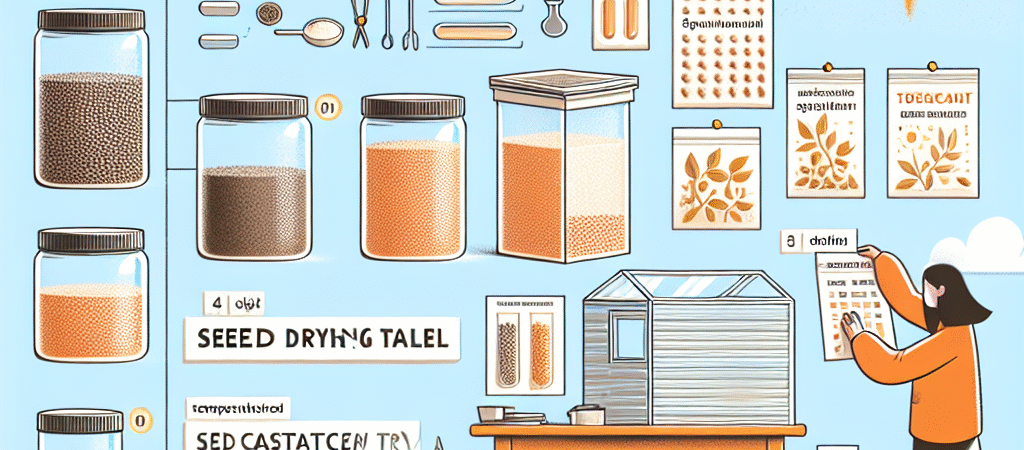
How to Build a Seed Bank at Home (Step-by-Step Guide)
Imagine securing a future where you are assured of food sustainability, regardless of external circumstances. This is the promise of a home seed bank—a repository of life waiting silently to blossom. As emergency preparedness increasingly becomes a pivotal part of modern living, homesteaders and resilient gardeners are turning to seed banks for self-reliance and survival gardening. In this guide, we’ll delve step-by-step into how you can create a seed bank at home, combining practical knowledge with expert insights to make your journey not only feasible but thoroughly rewarding.
- Understanding Seed Banks and Their Importance
- Choosing the Right Seeds for Your Bank
- Preparing Your Storage Environment
- Seed Storage Methods Explained
- Maintaining and Updating Your Seed Bank
- Conclusion
- FAQ
Understanding Seed Banks and Their Importance
Seed banks are more than just collections of seeds; they are vital links to future harvests, particularly important in times of crisis or food shortages. Historically, the concept of storing seeds dates back to ancient civilizations, where seeds were revered as a source of life and sustenance. Today, as climate change and global uncertainties loom over conventional food systems, maintaining a personal seed bank has emerged as a cornerstone for sustainable living.
The significance of a seed bank lies in its ability to provide security and resilience. In the event of disasters such as floods, droughts, or economic collapse, a well-managed seed bank ensures that you have access to a wide variety of plants, each adaptable to different growing conditions. This genetic diversity is crucial — not only does it allow for dietary variety, but it also aids in cultivating plants that can resist pests and diseases. For preppers and homesteaders, it represents a buffer against unpredictability, ensuring continuity in home food production.
Your seed bank also serves as a living library of plant heritage. By maintaining heirloom and open-pollinated seeds, you are preserving agricultural biodiversity and cultural memory. These seeds, often passed down through generations, carry with them stories and rich flavors unmatchable by store-bought produce. By cultivating such seeds, gardeners not only sustain their own families but also contribute to global efforts in biodiversity conservation.
Moreover, building a seed bank at home transcends immediate gains. It involves an educational journey, where gardeners continuously learn about plant life cycles, storage techniques, and cultivation practices. As you delve deeper, you’ll find yourself using skills that blend ancient wisdom with modern science, crafting a self-reliant lifestyle that’s enriched by knowledge and practice.
Choosing the Right Seeds for Your Bank
Selecting seeds for your home seed bank is a critical phase that determines the efficiency and resilience of your bank. To start with, focus on the types of seeds that align with your dietary needs, climate, and gardening skills. Heirloom varieties are highly recommended because they are open-pollinated and can grow true to type, ensuring the qualities you desire are preserved in successive generations. These seeds retain the genetic diversity that is frequently lost in hybrid varieties.
Consider your regional climate and the microenvironments within your homestead. If warm-season plants tend to thrive in your area, prioritize seeds that are adapted to these conditions. Conversely, if your locale experiences harsh winters, seek out hardy crops that can withstand low temperatures. Additionally, assess your soil type and water availability. Some plants are more drought-tolerant while others require specific soil compositions for optimal growth.
Another layer of consideration involves the life cycle of the plants. Try to incorporate a mix of annuals, biennials, and perennials. This balance not only ensures a steady supply of fresh produce throughout the year but also reduces reliance on frequent planting and can improve soil health through diversified planting techniques. For instance, legumes can add nitrogen to the soil, benefiting successive plants.
Beyond practical aspects, think about diversifying your seed collection to include both staple crops like beans, corn, and carrots, and variety crops such as tomatoes and peppers that add nutritional and culinary diversity to your diet. Don’t forget herbs—they’re not only high in nutrients but also hold significant medicinal properties.
Preparing Your Storage Environment
Adequate preparation of the storage environment is crucial for the longevity and viability of seeds. Seeds need to be kept in conditions that are cool, dark, and dry. Exposure to light, heat, or moisture can reduce germination rates and potentially spoil your hard-earned seed collection. Aim to store your seeds in a consistently cool setting; a basement or a controlled pantry is ideal.
Introduce desiccants such as silica gel packs to absorb any excess moisture. These can be easily placed in seed storage containers to help maintain the desired dryness. Using airtight containers such as glass jars with secure seals is advantageous as they block out moisture and insects. Alternatively, consider vacuum-sealing seeds in moisture-proof bags for prolonged storage potential.
Labeling and organization cannot be overstated. Proper labeling helps you keep track of seed types, their collection dates, and origin. This information can prove invaluable when deciding which seeds are due for use and which may need replacement. Organize your seed bank by plant families or seasons to streamline accessibility and planning.
If the scale allows, you might explore refrigeration for long-term storage. Many seed savers use refrigerators for seeds like beans and legumes. However, this method requires consistent temperature control and further protection against humidity. A tip for those embarking on this journey: never store seeds in the freezer unless specifically prepared for it, as the freeze-thaw cycles can significantly harm them.
Seed Storage Methods Explained
The methodology employed in seed storage not only influences germination rates but also significantly impacts the vigor of future crops. Begin with ensuring seeds are thoroughly dried before storage; a moisture content of about 8% or less is ideal. Dry seeds on a paper towel in the shade to prevent UV damage, then test by bending or biting a seed. If it snaps, you’re good to go.
Invest in quality storage containers. Glass jars are preferred for their non-permeability, allowing visual inspection without exposing seeds. While plastic bags are convenient, they can sometimes permit moisture infiltration, unless specially designed for seed storage. Mylar bags with a vacuum seal offer an alternative, particularly for longer durations.
Consider the practice of seed priming before storage for particularly challenging species. This process imbibes seeds for a certain period in water, drying them back to storage conditions. It prepares seeds for germination, essentially ‘waking’ them up, without letting them sprout just yet.
Rotate your seed stock following the first-in-first-out principle to maintain freshness. Periodically germinate a sample from your stock as a test; observing the success rate will provide insights into your seed bank’s condition. This process is called seed viability testing and is a key component in effective seed bank management. Should germination rates drop below satisfactory levels, rejuvenate by collecting new seeds.
Maintaining and Updating Your Seed Bank
Maintaining a seed bank is not merely about storage; it involves continual learning and adaptation. Regularly update your seed bank to reflect your evolving needs. Perhaps you’ve developed a fondness for a new cultivar or need hardier options due to changing climate conditions. Respond to these needs by replenishing and diversifying your seed stock.
Active maintenance means regularly cleaning and sorting through your seeds. Discard seeds that show signs of mold, insects, or physical damage. Keep an updated logbook or digital record of your inventory, including planting cycles and germination success rates. This data is invaluable not only for personal use but in potential exchange or sharing initiatives with other gardeners.
Engage with the wider gardening community through seed swaps and gardening forums. Such interactions enrich your collection and expose you to new species and techniques. In addition, sharing seeds helps preserve genetic diversity, serving both your personal endeavors and broader preservation efforts.
As seasons change, so too should your strategies. Evaluate your escapes and failures to inform the next round of planting. Continuously seek knowledge about new storage techniques, emerging resilient plant varieties, and innovative sustainable practices. Keeping abreast of such developments ensures your seed bank remains robust and future-proof.
Conclusion
Building a seed bank at home offers a pathway to self-sufficiency and food security. By carefully choosing seeds, preparing storage environments, and consistently maintaining the bank, homesteaders and gardeners can forge a resilient bond with their land and heritage. Beyond the immediate benefits, this practice upholds biodiversity and aligns with a sustainable lifestyle. There’s an undeniable empowerment that comes with knowing your food’s source, rooted in personal stewardship and an enduring legacy.
FAQ
What types of seeds should I prioritize for a home seed bank?
Focus on heirloom and open-pollinated seeds that are suited to your regional climate and dietary preferences. These seeds preserve genetic traits ideal for continuous cultivation and diversity.
How should I store seeds to maximize their lifespan?
Store seeds in cool, dark, and dry conditions using airtight containers or vacuum-sealed bags. Consider using desiccants to combat moisture and regularly label each seed type with vital details.
Can seeds be stored in the refrigerator?
Seeds can be stored in the refrigerator if temperature and humidity are consistently controlled. Use airtight containers or vacuum-sealed bags to keep moisture out and avoid direct exposure to cold air circulation.
How often should I update my seed bank?
Regular updates depend on seed type and germination results but aim to refresh your collection every couple of years. Routine viability testing helps determine when updates are necessary.