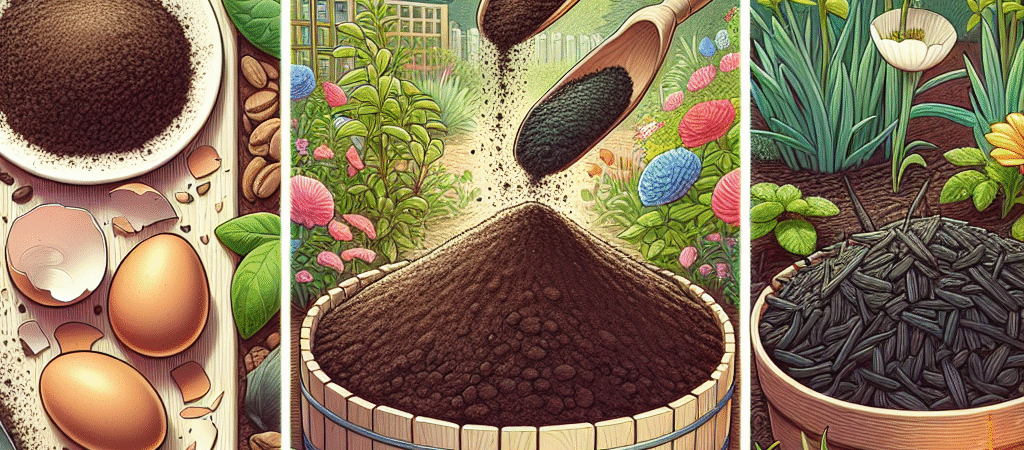
How to Use Eggshells, Coffee Grounds, and Ashes in Your Survival Garden
In the ever-evolving journey of sustaining a self-reliant lifestyle, utilizing natural waste like eggshells, coffee grounds, and ashes in your garden is a savvy way to enhance plant health and soil vitality. These seemingly insignificant kitchen by-products can significantly bolster your survival gardening efforts, offering nutrients and benefits crucial to a diverse, productive garden. Welcome to a green solution where sustainability meets practicality, paving the way for a resilient and thriving garden. Let’s delve deep into how you can harness these elements to maximize your garden’s potential.
- Understanding the Benefits
- Using Eggshells in Your Garden
- Utilizing Coffee Grounds Effectively
- Leveraging Ashes for Better Yield
- Integrating Techniques Seamlessly
- Conclusion
- FAQ
Understanding the Benefits
Survival gardening is not merely about planting seeds and reaping the bounty; it’s about cultivating an ecosystem that supports sustainable and continuous growth. Including eggshells, coffee grounds, and ashes in your garden can enhance this process. Each component contributes unique benefits that can transform your soil fertility, improve plant resistance, and ultimately increase your yields.
Eggshells are rich in calcium carbonate, a component that prevents blossom end rot in plants like tomatoes and peppers. When ground into a fine powder, these shells decompose, releasing calcium into the soil to nourish your plants. Moreover, the eggshells’ physical nature can deter slugs and snails when scattered across soil, adding an extra layer of pest defense.
Coffee grounds serve as a powerful ally in your garden’s nitrogen supply chain. Unlike synthetic fertilizers, these grounds release nitrogen slowly as they decompose, offering a steady supply for crops over time. The slight acidity of coffee grounds also helps balance alkaline soils, making them optimal for acid-loving plants like blueberries and strawberries.
Ash, primarily from hardwoods, adds potassium and calcium carbonate to the soil, vital for promoting strong root systems and overall plant health. However, caution is needed since ash can raise soil pH, potentially affecting sensitive plants. Hence, the judicious application is necessary for maintaining a balanced garden environment.
Using Eggshells in Your Garden
Incorporating eggshells into your garden involves more than simply tossing them into the soil. These small fragments, often treated as waste, can be transformed into a pivotal component of your gardening regime. Before application, cleaning and drying eggshells ensures they don’t attract unwanted pests or rot in the soil. Crush the shells into a fine powder or small pieces to facilitate quicker decomposition and nutrient absorption.
One practical application is directly incorporating crushed eggshells into planting holes to feed young plants from the start. This creates strong foundational growth. Additionally, adding eggshell powder to compost piles enriches the mix, boosting nutrient diversity in the resulting compost.
A personal anecdote comes from a seasoned gardener, Emily, who adapted the use of eggshells in her urban survival garden. By integrating crushed shells into her composting system, she observed noticeable improvements in soil structure and plant health. Her tomato plants, a staple in her home, showed signs of increased fruit production and reduced susceptibility to typical diseases like end rot.
Moreover, eggshells can serve as small containers for seed starting. The hollow, semi-permeable nature allows roots to breathe while slowly breaking down into the soil, providing essential nutrients directly at the plant’s roots upon transplantation.
Utilizing Coffee Grounds Effectively
Coffee grounds are versatile, nurturing components of a robust survival garden. Their application extends beyond mere soil amendment, touching upon mulch use, compost integration, and pest deterrence. A key aspect of using coffee grounds is their role in fixing nutrients back into the soil, fostering an environment conducive to microbial activity.
To harness their full potential, consider incorporating fresh, unpasteurized grounds into compost bins. This initiates a high-activity decomposition process, accelerating the conversion of organic material into nutrient-rich humus. Applying coffee grounds as mulch can help regulate soil temperature, retain moisture, and suppress weed growth, making them an invaluable tool in semi-arid farming conditions.
In the story of Jack, a permaculture enthusiast committed to off-grid living, coffee grounds became pivotal in reviving his struggling vegetable patches. By experimenting with varied application techniques—from direct layering to compost mixing—Jack was able to enhance soil structure and fertility, reducing his reliance on store-bought fertilizers significantly over time.
Additionally, dispersing coffee grounds in strategic locations can repel common garden pests. The scent acts as a natural barrier, deterring ants, snails, and cats from venturing into plant zones, thereby safeguarding tender seedlings and mature plants alike. Such practices align with the principles of sustainable and organic gardening, vital for any prepper or homesteader’s toolkit.
Leveraging Ashes for Better Yield
Ash from wood fires brings unique benefits to survival gardening, especially in a homesteading setup where nothing goes to waste. Ash provides vital nutrients like potassium, calcium, and trace elements that enhance plant productivity and resilience. However, understanding when and how to apply ash is crucial to avoid detrimental soil pH shifts.
Integrating ash into non-acidic soil types helps liberate essential nutrients trapped in compact soils, improving drainage and preventing nutrient leaching. Example: applying dense layers around the base of garlic plants in early spring can stimulate bulb enlargement without altering the soil chemistry adversely.
A remarkable application was discovered by homesteader Lisa, who used wood ash creatively in her self-reliant homestead. She applied it as a natural desiccant in root cellars, effectively controlling humidity and preserving stored vegetables longer. Additionally, her gardens benefited immensely with targeted ash applications, resulting in vigorous crop yield and minimized plant disease occurrences.
Furthermore, ashes can deter pests when sprinkled as a physical barrier around the garden perimeter. Moreover, periodic soil testing will guide the precise use and dosage, ensuring beneficial results without negative repercussions to soil health or plant biodiversity.
Integrating Techniques Seamlessly
It is critical to integrate the use of eggshells, coffee grounds, and ashes seamlessly into your gardening practices to maximize their benefits without undermining ecological balance. The process begins with understanding the specific needs of your soil and plants. Regular soil testing can provide vital insights into pH levels, nutrient content, and microbial activity, guiding decisions on the proportionate use of these natural fertilizers.
Incorporating eggshells and coffee grounds in compost heaps accelerates decomposition while boosting microbial life, resulting in rich, loamy compost perfect for garden topdressing. Simultaneously, introducing ashes can balance nutrient distribution across the growing area, keeping in check the pH levels that some plants might find adverse.
A case study from a prepper community in the Appalachian Mountains demonstrated this approach. The community capitalized on community resources, pooling kitchen waste for large-scale composting. Each member contributed eggshells, coffee grounds, and ashes, allowing them to establish a sustainable cycle of waste and growth. Resulting soil conditions improved across various microclimates, permitting diverse crop cultivation despite variable terrain and weather conditions.
Beyond just adopting these practices, seamless integration requires monitoring plant responses. Adjusting the application techniques and intervals based on plant growth stages ensures that nutrient requirements are met efficiently. This holistic, adaptable strategy is vital in resilience-focused gardening, promising lush harvests amid self-sufficient living endeavors.
Conclusion
Embracing eggshells, coffee grounds, and ashes into your survival gardening strategies opens up a world of sustainable possibilities and enhanced productivity. These natural by-products, often overlooked, provide vital nutrients and organic solutions to everyday gardening challenges. By understanding and implementing these waste materials wisely, you can transform your survival garden into a flourishing ecosystem. Not only does this practice contribute to sustainable living, but it also ensures that your garden is equipped to thrive, even amidst the challenges of off-grid living.
FAQ
How do eggshells benefit plants when used in gardening?
Eggshells provide a significant source of calcium carbonate, crucial for preventing diseases such as blossom end rot in tomatoes and peppers. When ground into powder, these shells slowly decompose, releasing calcium to enrich soil health and promote plant vitality.
Is it safe to use coffee grounds on all types of plants?
While coffee grounds are beneficial for many plants due to their nitrogen content, they are best used with acid-loving plants like blueberries and rhododendrons. Avoid direct application to sensitive seedlings and be mindful of the acidity balance in your soil.
How often should wood ash be added to a garden?
Wood ash should be added sparingly and seasonally, typically in early spring or late fall. Over-application can lead to high soil alkalinity, detrimental to plant growth. Soil testing is vital to determine appropriate ash levels specific to your garden’s needs.
Can these materials be applied to indoor plants as well?
Yes, in moderation. Ground eggshells and coffee grounds can be beneficial for houseplants that thrive in richer soil environments. However, monitor pH changes with ash, as indoor plants often require more controlled conditions for optimal growth.