Gardening as Therapy: How Growing Food Helps You Stay Mentally Strong in a Crisis
In a world where uncertainty is a constant companion, finding ways to maintain mental resilience is crucial. Among the various approaches to bolster mental health, gardening emerges as not just a survival strategy but a therapeutic activity that can transform your life. Whether you’re a seasoned prepper, a budding homesteader, or someone seeking serenity amidst chaos, cultivating a sustainable garden has profound benefits for your mental strength. This article explores how growing your own food can be therapeutic and why it’s a vital skill for crisis times.
- The Psychological Benefits of Gardening
- Connecting with Nature
- Self-Sufficiency and Empowerment
- Practical Gardening Tips for Mental Health
- Overcoming Challenges and Building Resilience
- Conclusion
- FAQ
The Psychological Benefits of Gardening
The act of gardening goes beyond simply growing plants; it’s an immersive experience that engages the senses and fosters a deep sense of satisfaction. The psychological benefits of gardening are well-documented, offering significant stress relief and a boost to overall mood. Studies have shown that spending time with plants reduces cortisol levels, the hormone associated with stress. When you cultivate and nurture a garden, you create an environment of peace and calm, which can serve as a haven during tumultuous times.
One of the most profound psychological benefits of gardening is the sense of accomplishment that comes from planting a seed and seeing it grow into a flourishing plant. This process mirrors personal growth and development, reminding us that with patience and care, even the smallest efforts can lead to great outcomes. Gardening also encourages mindfulness, as it requires your attention and presence, drawing your focus away from worries and anxieties.
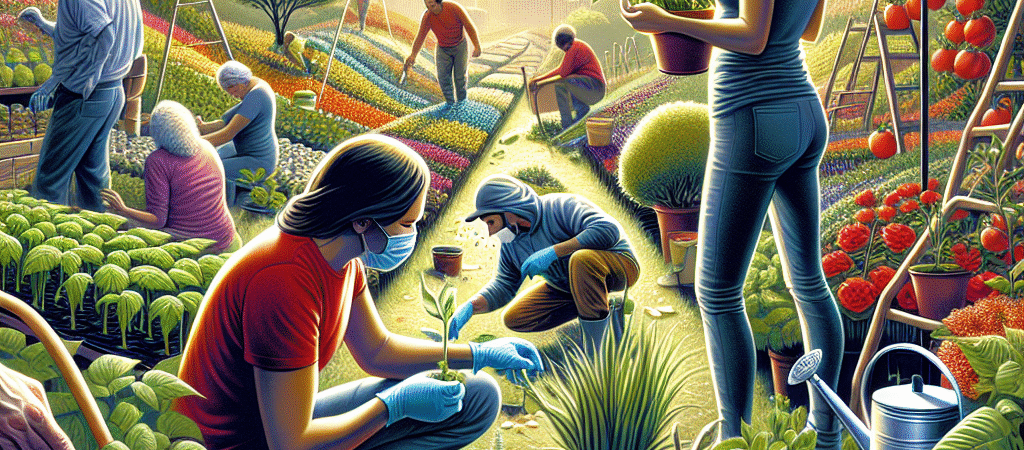
A real-life example is found in community gardens, where individuals from all walks of life come together to nurture the earth. These spaces not only promote social interaction but also serve as therapeutic environments where the shared goal of growing food fosters camaraderie and mutual support. The act of gardening in these communal settings reinforces the idea that together, we can build more resilient communities.
For preppers and those interested in sustainable living, gardening offers the dual benefit of being an essential survival skill and a tool for maintaining mental well-being. When faced with crises, having a productive garden provides not just physical sustenance but also the psychological reassurance that you have some control over your circumstances.
Connecting with Nature
Gardening is one of the most effective ways to connect with nature, a relationship that plays a crucial role in mental health. In our modern, fast-paced lives, the disconnect from the natural world can lead to increased stress and anxiety. However, through the simple act of tending to a garden, we re-establish that essential connection, finding peace and a sense of belonging within the cycles of nature.
Being outdoors and engaging with the natural environment has been shown to improve mood and reduce the risk of depression. The fresh air, the warm sun on your skin, and the sounds of nature all contribute to a state of relaxation and contentment. This connection to nature is particularly important during crises, when feelings of isolation and helplessness can become overwhelming.
Consider the story of suburban families who transformed their backyards into thriving vegetable gardens during the recent pandemic. This reconnection with nature provided a lifeline, infusing their daily routines with purpose and providing a distraction from the uncertainties of the outside world. It also encouraged them to learn more about the local ecosystem, creating a deeper appreciation for the natural world.
As you dig your hands into the soil, you become a participant in nature’s processes, observing the intricacies of life cycles, weather patterns, and plant growth. This involvement fosters a sense of stewardship and responsibility towards the environment, which can be incredibly fulfilling. Additionally, it encourages a mindset shift from consumer to producer, which is at the heart of self-sufficiency and preparedness.
Self-Sufficiency and Empowerment
Empowerment comes with the ability to sustain yourself and your family, and gardening is a powerful tool in achieving self-sufficiency. By learning to grow your own food, you gain control over your food supply, reducing reliance on external sources and the vulnerabilities that come with it. This shift to self-sufficiency is empowering, as it instills confidence in your ability to provide, regardless of external circumstances.
For many homesteaders and preppers, the garden is the starting point for a journey towards total self-reliance. As you cultivate your garden, you are not merely producing food but also honing essential skills such as resource management, planning, and problem-solving. Each harvest season brings a new set of challenges and lessons, strengthening your adaptability and resilience.
Take, for example, the story of a couple who started with a small urban garden to offset their grocery bills. Over time, their success in growing vegetables fueled their passion for self-sufficiency, leading them to expand their garden into a larger homesteading operation complete with chickens and a rainwater collection system. This progression not only enhanced their food security but also deepened their connection to the land and their community.
The empowerment that comes from gardening is not just physical but emotional as well. Knowing that you are capable of producing your own food brings a sense of achievement that permeates other areas of life. It inspires confidence in tackling other preparedness measures, such as food preservation and alternative energy sources, thereby contributing to overall resilience.
Practical Gardening Tips for Mental Health
To harness the full therapeutic benefits of gardening, it’s important to approach it with mindfulness and intention. Start by choosing crops that are not only nutritious but also suited to your climate and growing conditions. Local extension offices or gardening clubs can provide invaluable advice and support on selecting the right varieties for your region.
Creating a garden plan is another essential step. A well-thought-out plan reduces stress and makes gardening more enjoyable. Consider structuring your garden with raised beds or container gardens, which are easier to manage and reduce physical strain. As you plan, incorporate pollinator-friendly plants to boost biodiversity and strengthen your local ecosystem.
One practical tip is to designate a quiet corner of your garden as a space for relaxation and meditation. This can be as simple as a bench surrounded by lavender or other fragrant plants known for their calming effects. In these tranquil moments, take the time to breathe deeply, appreciate the beauty around you, and let go of daily stresses.
Gardening also provides opportunities for learning and growth. Experiment with different cultivation techniques such as companion planting or permaculture principles. These practices not only enhance the productivity of your garden but also introduce you to a community of like-minded individuals passionate about sustainability and restorative agriculture.
Overcoming Challenges and Building Resilience
The path to a flourishing garden is often fraught with challenges, from unpredictable weather to pest invasions. However, each challenge presents an opportunity to develop resilience. Facing these obstacles head-on teaches problem-solving and adaptability, skills that are invaluable in times of crisis.
Consider the experience of homesteaders in areas prone to drought. Through necessity, they’ve learned to implement water-saving techniques such as drip irrigation and mulching, which not only conserve water but also improve soil health. These challenges have strengthened their resilience, turning potential setbacks into triumphs.
It’s important to remember that no garden is perfect, and setbacks are part of the process. Embrace failures as learning opportunities. If a particular crop doesn’t succeed, analyze what went wrong and make adjustments. This mindset will serve you well, particularly when dealing with life’s unpredictable nature.
Sharing experiences with other gardeners, either through online forums or local gardening groups, can provide support and inspire creative solutions. These communities are vital resources for exchanging knowledge and collectively navigating the trials of gardening. Together, gardeners can find strength in numbers, reinforcing the idea that you are not alone in your journey towards self-reliance.
Conclusion
Gardening is much more than a survival skill; it’s a journey towards sustainability and mental wellness. By cultivating your own food, you not only secure your own sustenance but also nurture your mental resilience during trying times. Through the therapeutic nature of gardening, you connect with both nature and community, paving the way for a more self-sufficient and empowered life. Embrace gardening as a vital component of your preparedness strategy and reap the rewards of a stronger, more resilient mindset.
FAQ
What are the mental health benefits of gardening?
Gardening reduces stress and anxiety by promoting mindfulness and relaxation. The process of nurturing plants releases endorphins, which enhance mood and provide a sense of accomplishment. It encourages time in nature, which is scientifically linked to improved mental health and lower levels of depression.
How can beginners start a garden for mental wellness?
Beginners should start small, perhaps with a few easy-to-grow herbs or vegetables, and gradually expand as they gain confidence. It’s important to choose a garden location with adequate sunlight and to use quality soil. Engaging with local gardening communities or online resources can provide guidance and encouragement.
Can gardening help during a crisis?
Yes, gardening is an effective tool during crises as it ensures a source of fresh food while also providing a productive distraction from stressors. It empowers individuals by giving them control over their food supply, which can be especially reassuring in uncertain times.
What are some challenges in gardening, and how can they be overcome?
Challenges like pest control, weather variations, and soil health can be daunting but are manageable with the right strategies. Solutions include using organic pesticides, implementing crop rotation, and improving soil quality through composting. Learning from setbacks is key to building resilience in gardening.