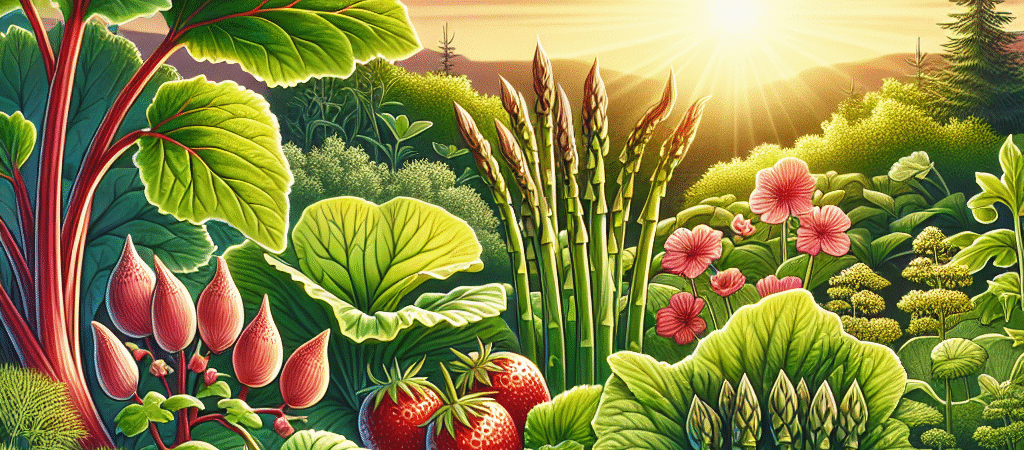
How to Grow Edible Perennials for a Long-Term Survival Garden
Imagine a garden that not only stands resilient against the tides of time but continuously provides you with nutritious food without the need for constant replanting. Welcome to the world of edible perennials. Whether you’re a seasoned prepper or just beginning your self-sufficiency journey, learning to cultivate these plants can transform your approach to sustainable living. In this guide, we will explore how to grow edible perennials in your survival garden and ensure a lasting food source for years to come.
- Understanding Edible Perennials
- Choosing the Right Plants for Your Climate
- Designing Your Perennial Garden
- Care and Maintenance of Perennial Plants
- Integrating with Self-Sufficient Systems
- Conclusion
- FAQ
Understanding Edible Perennials
Edible perennials are plants that live for more than two years and produce food year after year once they are established. Unlike annuals, which complete their life cycle in a single growing season, perennials require less frequent planting, making them an excellent choice for those interested in sustainable gardening and self-reliance. Popular examples include asparagus, rhubarb, and certain berry bushes.
To embark on growing these steadfast plants, it’s crucial to understand their natural life cycles and requirements. Native to various climates across the globe, edible perennials often possess inherent resilience to pests, diseases, and even challenging weather conditions. This means less reliance on chemical interventions, aligning perfectly with organic gardening principles.
Edible perennials also have the advantage of deep root systems, typically reaching down further into the soil than annuals. This trait allows them to access nutrients and moisture that annuals might miss, reducing the need for frequent watering and fertilization.
For example, consider the robust Jerusalem artichoke. This perennial tuber can thrive in a variety of soil types and once planted, it multiplies year after year. With minimal effort, a single planting can reward you with an abundant harvest. Similarly, horseradish is another hardy perennial, tolerating a wide range of conditions and producing tangy roots that can spice up your food storage.
Choosing the Right Plants for Your Climate
When choosing edible perennials for your survival garden, it’s vital to consider your local climate and soil conditions. The USDA Plant Hardiness Zone Map is a valuable tool for identifying plants that will best thrive in your area. Matching plants to their preferred environments reduces stress on the plants and ensures more reliable yields.
For example, in northern climates, one might opt for perennials like rhubarb, which can withstand cold winters, or hops, which are not only useful for brewing but also attract beneficial insects. In contrast, southern gardeners might focus on plants like citrus trees or figs, which require warmer temperatures and longer growing seasons.
Your soil type also plays a significant role in plant health. Well-drained soils are generally preferred by most perennials. If your soil is heavy clay, consider building raised beds or amending with organic matter to improve drainage. Plants like comfrey or nettles can also benefit from less-than-perfect soils and help improve soil structure over time.
Remember, diversity is key. By planting a variety of edible perennials, you create a more resilient garden ecosystem, reducing the risk of crop failure from pests or disease. Moreover, a diverse planting attracts a wider range of pollinators, crucial for the productivity of your garden.
Designing Your Perennial Garden
A well-designed perennial garden requires thoughtful planning and consideration. Consider starting on a smaller scale to observe how different plants perform in your ecosystem before scaling up. Multi-layered plantings that mimic natural ecosystems, known as permaculture, are particularly effective.
Consider the spatial relationships among plants. Taller plants, like fruit trees, can provide shade for shade-tolerant perennials such as ginseng or woodland strawberries. Meanwhile, vining perennials like grapes can be trained along trellises or pergolas to maximize vertical space, leaving room for ground-level planting below.
Implementing keyhole beds or spiral gardens can optimize your planting area and help manage water flow and soil fertility. These designs encourage beneficial symbiotic relationships among plants, reducing the need for external inputs and fostering a balanced ecosystem.
On a practical level, remember to incorporate pathways and access points for maintenance and harvest. Whether you’re reaching for the exuberant branches of a mature serviceberry or retrieving root vegetables from a dense cluster of groundcovers, accessibility will make your gardening experience far more enjoyable.
Care and Maintenance of Perennial Plants
Once established, many perennials require less care than annuals, but regular maintenance is still crucial to ensure their longevity and productivity. Start by monitoring plant health regularly. This involves checking for signs of stress such as yellowing leaves, wilting, or unexpected changes in growth patterns.
Pruning is another key aspect of perennial maintenance. It helps control plant size, remove dead or diseased wood, and encourage more fruitful growth. For example, pruning berry bushes encourages larger and more prolific fruit production, while maintaining a tidy appearance.
Feeding perennials involves less input than annuals, but periodic enrichment with compost or organic fertilizers can help boost nutrient levels, promoting vigorous growth. Mulching around plants helps retain soil moisture, suppress weeds, and gradually enrich the soil as it breaks down.
Watering needs will vary by species, but in general, perennials benefit from deep, infrequent watering instead of frequent shallow watering. This practice encourages the development of deep root systems which enhance plant resilience.
Integrating with Self-Sufficient Systems
Integrating edible perennials into broader self-sufficient systems elevates the functionality of your survival garden to new heights. Companion planting is a tried-and-true method for harnessing plant relationships to improve soil health, pest control, and yield. Consider the classic « Three Sisters » planting of corn, beans, and squash, where each plant supports the growth of the others.
Edible perennials can also play a pivotal role in food forests, an advanced permaculture method that combines various plant species to create a self-sustaining wooded ecosystem. By mimicking natural forest layers, you can establish a dynamic environment where perennials support themselves and other plants with minimal human intervention.
The synergy does not end with plants: integrating livestock or poultry into your system can further enhance your garden’s productivity. Chickens, for instance, can roam through a portion of the garden, helping to control pest populations while providing natural fertilizer in return. In return, perennials like mulberry trees offer shade and nutrient-rich leaves for animal fodder.
Finally, consider implementing rain harvesting systems to maximize water efficiency. Perennials, with their deep-rooted structures, are well-positioned to make use of irregular rainfall, storing resources for dryer periods. By strategically placing rain barrels or creating swales, you can direct water where it’s needed the most, further reinforcing the resilience of your garden.
Conclusion
Crafting a survival garden centered around edible perennials is more than just a gardening endeavor; it’s a step toward long-term resilience and self-reliance. These plants provide more than sustenance; they create a living system that can sustain itself through careful planning, diversity, and integration into broader homestead practices. With patience and creativity, you can construct a perennial paradise that not only fulfills your food needs but inspires sustainable practices for generations to come.
FAQ
What are the easiest edible perennials to grow for beginners?
For those just starting, asparagus and rhubarb are great choices. Both have minimal maintenance requirements and are hardy in various conditions. Additionally, many berry bushes like raspberries and blueberries are not only easy to grow but also yield delicious fruits year after year.
How long do edible perennials take to start producing?
The time it takes for perennials to start producing can vary greatly depending on the species. While some, like rhubarb, might take a year or two, others like fruit trees may take several years to mature. It’s important to plan for the long-term and be patient as your perennials establish themselves.
Can I integrate perennial plants into my existing garden?
Absolutely! Perennial plants can be seamlessly integrated into your existing garden, providing more yield with less effort over time. Start small by incorporating perennials into the borders or corners of your garden. Observe how they interact with your annuals, and expand as you become more familiar with their growth habits.
How do I control pests in a perennial garden?
Managing pests in a perennial garden involves a holistic approach. Encourage natural predators by planting companion plants that attract beneficial insects. Regular monitoring and manual removal can prevent infestations, and using organic deterrents like neem oil or diatomaceous earth can help maintain a healthy garden balance.