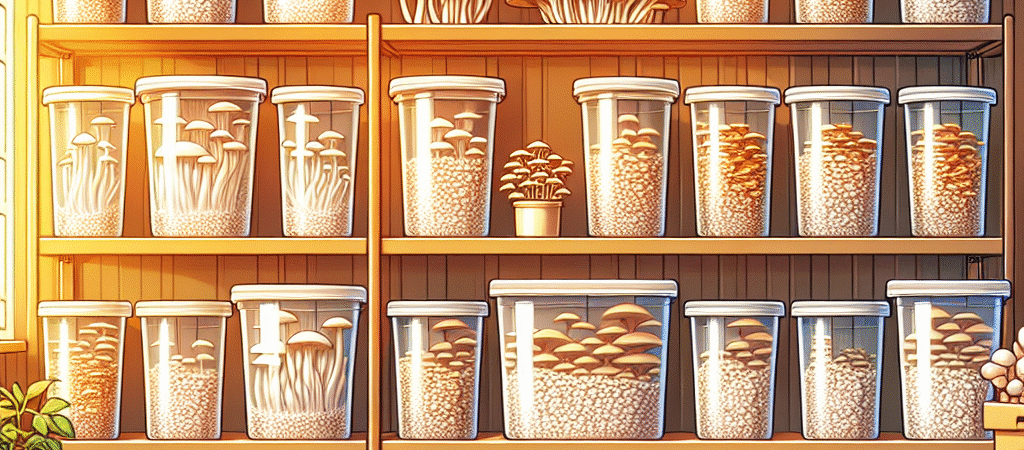
No Garden? How to Grow Mushrooms Indoors for Emergency Protein
For many preppers and homesteaders, securing a steady food supply means being resourceful and thinking outside the traditional gardening box. Growing mushrooms indoors can be an ingenious and practical solution when you lack outdoor space or need a reliable source of emergency protein. This holistic guide will empower you to cultivate mushrooms within the comforts of your home, allowing you to contribute actively to your self-sufficiency and preparedness strategies. Let’s dive deep into the world of indoor mushroom cultivation and discover how you can transform small spaces into a thriving mushroom haven.
- Why Grow Mushrooms Indoors
- Choosing the Right Mushroom Varieties
- Setting Up Your Indoor Mushroom Garden
- Maintenance and Care Tips
- Harvesting and Utilization
- Conclusion
- FAQ
Why Grow Mushrooms Indoors
Mushrooms are a powerhouse of nutrition, packed with vitamins, minerals, and, importantly, protein. For those invested in self-reliance, mushrooms can offer a sustainable, nutrient-dense supplement to your food stores. The beauty of growing mushrooms indoors lies in their adaptability and minimal space requirements. Unlike traditional gardening, which depends on sunlight and substantial areas, mushroom cultivation thrives in controlled environments. These fungi prefer humidity and low light, making basements, closets, or even small spare rooms ideal locations.
Consider the benefits of having a steady supply of mushrooms indoors during an emergency. Not only do they provide essential nutrients, but they can be harvested in cycles, ensuring a constant source of food. For instance, during the winter months when outdoor growing may halt, indoor mushroom cultivation can keep your pantry stocked. Anecdotal evidence from urban preppers highlights success in converting simple closet shelves into bountiful mushroom farms, reaping multiple yields throughout the year.
Moreover, growing your own mushrooms cuts down on dependency on grocery stores and external supply chains, which could be disrupted during emergencies. Indoor cultivation empowers you to take control of your food supply chain, contributing to your family’s resilience and preparedness against unforeseen disruptions. Such autonomy is a cornerstone of the prepping lifestyle, making mushroom cultivation not just a skill, but a proactive step towards self-sufficiency.
Choosing the Right Mushroom Varieties
When starting your indoor mushroom garden, selecting the right variety is crucial. Not all mushrooms are suitable for indoor cultivation, and some require specific conditions to flourish. For beginners, oyster mushrooms are an excellent choice. Known for their adaptability, oyster mushrooms can grow on a variety of substrates, including straw, cardboard, and even coffee grounds. Their forgiving nature makes them perfect for those new to mushroom cultivation.
Another popular choice is the shiitake mushroom, renowned for its rich flavor and potential health benefits. Shiitakes prefer hardwood substrates such as oak chips or sawdust, requiring slightly more effort in substrate preparation but yielding impressive results. For those looking for a gourmet touch, the Black Pearl King Oyster provides a unique flavor profile and a striking appearance, often commanding premium prices in markets.
It’s essential to procure your mushroom spawn from reputable sources to ensure high-quality production. Many online retailers specialize in mushroom cultivation kits, often providing pre-inoculated logs or substrates, simplifying the initial setup process. Furthermore, engaging with local gardening groups or forums can provide valuable insights and recommendations tailored to your specific region’s conditions. By ensuring you start with robust, viable spawn, you set the foundation for a successful and fruitful mushroom gardening experience.
Setting Up Your Indoor Mushroom Garden
Creating an optimal environment for your mushrooms is key to a successful indoor farming endeavor. Start by selecting a space that can maintain high humidity levels, typically between 80% and 95%. Small, enclosed areas like closets or cabinets are ideal as they allow for easy humidity management. To control humidity, consider investing in a small humidifier or misting the area regularly with water.
Temperature regulation is another critical factor. Most edible mushrooms thrive in a range between 55°F and 70°F, so it’s important to choose a room where these conditions can be consistently met. Thermal fluctuations can stress the mushrooms, potentially affecting their growth and productivity. Ensure adequate airflow by setting up a small fan or regularly ventilating the space to prevent stagnation, which can lead to mold and other pathogens detrimental to mushroom health.
Lighting requirements for mushrooms differ significantly from traditional plants. Rather than relying on grow lights or sunlight, mushrooms prefer low-light conditions. A simple LED lamp providing indirect light for a few hours a day is generally sufficient to support their growth cycle. With these environmental conditions optimized, mushrooms can grow rapidly, often ready for harvest within a few weeks. By paying attention to these critical factors, you create a nurturing habitat conducive to prolific mushroom production.
Maintenance and Care Tips
Caring for indoor mushrooms does require vigilance and routine checks to ensure conditions remain ideal. Begin by regularly monitoring humidity levels, as consistent moisture is integral to mushroom health. A hygrometer can be a helpful tool in keeping track of humidity, allowing you to make adjustments as necessary. Similarly, maintaining a steady temperature and providing periodic air circulation will significantly enhance your outcomes.
Inspect your mushrooms daily for signs of mold or pests. Early detection can mitigate damage and prevent spread. If you notice any discoloration or unusual growths, remove the affected mushrooms immediately. It’s also prudent to periodically replace or rejuvenate your substrate to minimize the build-up of pests and pathogens.
In terms of nutrition, mushrooms are relatively low-maintenance. However, ensuring your substrate is initially rich in organic material will support healthy growth. Some varieties may benefit from occasional nutritional supplementation, such as spraying the substrate with diluted coffee, which provides nitrogen to promote development. Through attentive care and management, you’ll not only extend the life of your indoor mushroom garden but also maximize yield and quality.
Harvesting and Utilization
Timely harvesting is crucial to maximizing the flavor and nutritional value of your mushrooms. Most varieties should be harvested just before the caps flatten out. A useful rule of thumb is to keep an eye on the gills of the mushrooms; once they are slightly exposed, it’s often the optimal time to harvest. Use a sharp knife or scissors to carefully cut the mushroom at the stem’s base to avoid damaging the substrate.
Once harvested, mushrooms can be utilized in a plethora of ways. For preppers and those focused on emergency preparedness, dehydrating mushrooms is an excellent method for long-term storage. Use a food dehydrator or an oven set to low heat to remove moisture, preserving the mushrooms’ shelf life. When properly stored in airtight containers, these dried mushrooms can last for several months, providing a reliable protein source when needed.
Fresh mushrooms can be sautéed, added to stews, or used as a meat substitute in various dishes, making them an incredibly versatile ingredient. Their rich umami flavor enhances soups and broths, while their texture can convincingly mimic that of meat, ideal for vegetarian cuisine. In an emergency setting or during a sustained off-grid living situation, such versatility ensures mushrooms remain a valuable and enjoyable part of your diet.
Conclusion
Growing mushrooms indoors is not just a novel gardening venture but a strategic move towards enhanced self-reliance and preparedness. By choosing the right varieties and setting up a conducive environment, you can ensure a steady supply of nutrient-rich protein that becomes an integral part of your emergency food strategy. Embrace this indoor gardening technique to not only diversify your food sources but also reinforce your commitment to sustainable and self-sufficient living. With proper care and dedication, your indoor mushroom garden will thrive, offering both nutritional and practical benefits in times of need.
FAQ
Can I grow mushrooms in an apartment without much space?
Absolutely. Mushrooms require minimal space for cultivation. By using vertical grow racks or repurposing a closet, you can create a productive garden even in the smallest of apartments. Ensure the area has adequate humidity and temperature control for optimal growth.
What is the easiest mushroom to grow indoors for beginners?
Oyster mushrooms are widely regarded as the easiest variety for beginners. They are resilient and can grow on a variety of substrates, including straw and coffee grounds, making them accessible for those just starting in indoor mushroom cultivation.
How often should I water my indoor mushrooms?
While mushrooms do not require traditional watering, maintaining the right humidity level is crucial. Mist the growing area or use a humidifier to keep the environment consistently moist, aiding the healthy growth of your mushrooms.
Are there any health benefits to consuming homegrown mushrooms?
Yes, homegrown mushrooms are rich in vitamin D, B vitamins, and antioxidants. They also provide substantial amounts of protein and fiber, supporting various health goals such as improved immunity and digestion.