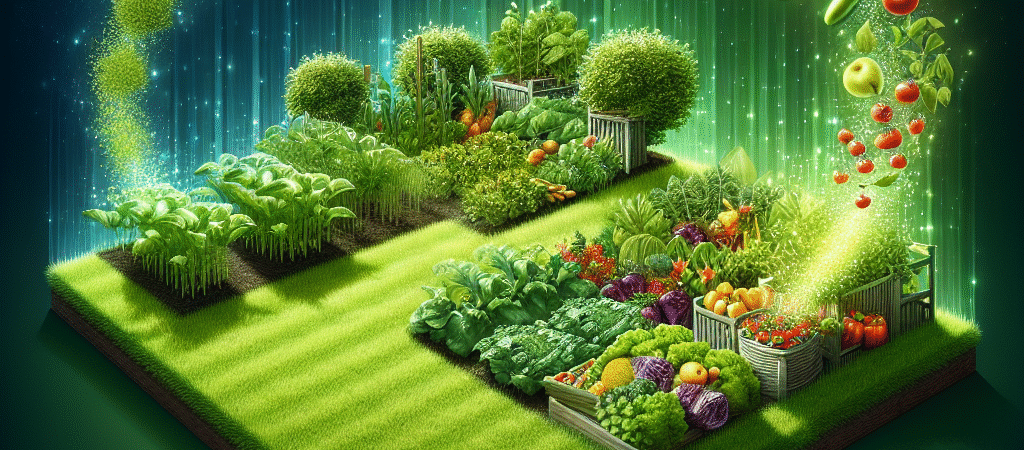
How to Turn Lawn Space Into a Fully Productive Food Garden
In a world where self-sufficiency and sustainability are becoming increasingly important, transforming your lawn into a productive food garden is a rewarding venture. By converting grass into a bounty of fresh produce, you not only contribute to your own food security but also nurture the environment. Whether you’re a seasoned gardener or a beginner eager to embrace a more resilient lifestyle, this guide will provide you with the tools and knowledge needed to maximize your green space efficiently and sustainably.
- Preparing Your Lawn for Gardening
- Choosing the Right Crops
- Effective Planting Techniques
- Sustainable Gardening Practices
- Maintaining Your Food Garden
- Conclusion
- Frequently Asked Questions
Preparing Your Lawn for Gardening
Turning a traditional lawn into a thriving food garden begins with meticulous preparation. Removing the grass is the first step, which can involve techniques such as sheet mulching or using a sod cutter. Sheet mulching is a favored method among sustainable gardeners. It involves layering cardboard or newspaper over the grass, topped with organic matter like compost and mulch. This approach not only smothers the grass but also enriches the soil as the layers decompose. If you’re short on time, a sod cutter can swiftly remove the grass, but it requires more initial labor and might disturb the soil structure.
Once the grass is removed, assessing and amending the soil’s fertility is crucial. Conduct a soil test to determine its pH level and nutrient composition. Most vegetables prefer slightly acidic to neutral soil, so adjust accordingly by adding lime to raise pH or sulfur to lower it. Boost the soil’s nutrient profile with organic matter, such as compost, well-rotted manure, or green manure crops. Compost improves soil structure, promotes microbial activity, and increases water retention, essential for a successful garden.
Consider the garden’s layout carefully. Group crops according to their compatible needs. For example, tomatoes, peppers, and basil thrive in the same environment and make excellent companions. Integrating paths and raised beds enhances accessibility and prevents soil compaction from foot traffic. Adequate spacing between plants is also vital, as overcrowding can lead to competition for nutrients and increased susceptibility to disease.
The investment of time and effort in preparing your lawn pays dividends with a bountiful yield and healthy plants. A well-prepared plot sets the foundation for a productive and resilient garden, crucial elements for self-sufficiency and sustainability.
Choosing the Right Crops
Selecting the appropriate crops for your new garden not only boosts productivity but also complements your culinary preferences and nutritional needs. Consider starting with vegetables that are well-suited to your region’s climate and soil conditions. Consulting with local agricultural extension offices or experienced gardeners can offer insights into the best-suited varieties. Prioritize high-yield crops that provide steady harvests, such as tomatoes, zucchinis, and bush beans, as these require less space while offering abundant returns.
It’s beneficial to incorporate diversity in your plant selection. A varied crop mix not only adds nutritional variety to your diet but also reduces the risk of pests and disease. Companion planting is an effective strategy to optimize space and improve plant health. For instance, planting marigolds alongside tomatoes deters nematodes, while beans provide nitrogen to the soil, benefiting leafy greens, and squash. Engaging in crop rotation further amplifies these benefits, as it prevents soil nutrient depletion and disrupts pest cycles by changing crop placement each season.
Beyond vegetables, consider integrating fruit trees or berry bushes. These perennials offer long-term yields and occupy vertical space efficiently. Dwarf fruit varieties are perfect for limited spaces, and they can be pruned to a manageable height for easy harvesting. Berry bushes, like raspberries and blueberries, serve as attractive hedges while delivering delicious fruits.
In balancing complexity and stability, decide on crops that fit your lifestyle and long-term gardening goals. Whether you aim to reduce grocery bills, enhance food security, or simply enjoy fresher produce, the appropriate selection and combination of crops pave the way for a sustainable and rewarding homegrown diet.
Effective Planting Techniques
Maximizing your garden’s productivity hinges on effective planting techniques tailored to your plant selections and growing conditions. Begin with a clear planting schedule, sensitive to the local frost dates, to strategically time your sowing and planting activities. Succession planting is a key technique to get the most out of your space; as one crop finishes, another takes its place, keeping the land constantly productive. Fast-growing crops like radishes and lettuce can be interplanted with slower-growing species like broccoli, maximizing space efficiency.
Rows are the conventional method of planting, but innovative techniques like square-foot gardening or hugelkultur beds offer advantages in small spaces. Square-foot gardening involves dividing the garden into one-foot squares, each allotted different crops, facilitating intensive planting and simplified crop rotation. Hugelkultur beds utilize decomposing wood and organic matter to build raised beds, which enhance soil fertility and moisture retention.
Water management is integral to successful planting. Drip irrigation systems deliver water directly to plant roots, minimizing evaporation and conserving resources. Moreover, using mulch around plants helps maintain soil moisture and suppress weed growth, reducing the need for additional watering and manual weeding. Consider employing a soil moisture sensor to optimize your watering schedule and avoid over or under-watering issues that could stress plants and reduce yields.
Finally, encouraging pollinators like bees and butterflies into your garden through companion planting native flowering plants not only enhances biodiversity but can significantly increase fruit set and crop yields. A balanced approach combining thoughtful planting methods with efficient water management arguably sets the tone for a garden that’s both productive and harmonious.
Sustainable Gardening Practices
Embracing sustainable gardening practices is at the heart of developing a resilient garden system that supports both the gardener and the environment. Start by cultivating a rich ecosystem within your garden through the use of organic practices. Eschew chemical fertilizers and pesticides, opting instead for natural alternatives such as compost, manure, and biological pest control methods. For instance, introducing ladybugs to control aphids or using neem oil as a natural pesticide reduces chemical dependencies while preserving beneficial insects and soil health.
Practice the age-old tradition of composting to turn kitchen scraps and garden waste into nutrient-rich soil amendments. Compost not only enriches the soil but also reduces waste sent to landfills. Create a compost pile or use compost bins or tumblers for efficient decomposition. Monitor the balance of green materials (like vegetable scraps) and brown materials (like dried leaves) to maintain an effective composting process.
Building a rainwater collection system is another sustainable method to irrigate your garden, reducing reliance on municipal water supplies. Installing rain barrels connected to downspouts can capture rainwater effectively, which can then be used to water plants. Integrating permacultural principles such as swales or contouring the landscape can further assist in rainwater management, directing water to areas most needed without causing erosion.
Sustainable gardening also involves planning for biodiversity. Planting native species, creating habitats like birdhouses or insect hotels, and allowing parts of your garden to rewild can promote ecological balance. This attracts a variety of fauna that contribute to a healthy garden ecosystem, fostering natural pest control and pollination.
Maintaining Your Food Garden
Maintaining a productive food garden requires regular observation and intervention to ensure plant health and garden vitality. Routine monitoring helps identify issues like pests, diseases, and nutrient deficiencies early, allowing for timely action. Engage in integrous plant husbandry by pruning dying or diseased plant parts, which can prevent the spread of pathogens and improve air circulation within the plant canopy.
Understand the significance of crop rotation and diversity to maintain soil health and reduce pest pressures. By changing crop families annually, you disrupt pest and disease cycles and manage weeds more effectively. Use cover crops during off-seasons to improve soil structure and fertility. Leguminous cover crops like clover and vetch fix atmospheric nitrogen, enriching the soil for the season’s planting.
Commit to a regular mulch routine to conserve moisture, suppress weeds, and regulate soil temperature. Organic mulches like straw, grass clippings, and wood chips break down over time, adding organic matter to your beds. Additionally, keep garden tools clean and sanitized to prevent diseases from spreading from one plant to another. Routine tool maintenance improves the efficiency and longevity of your gardening equipment.
Lastly, embrace the concept of garden journaling. Keeping records of planting dates, crop varieties, and yields provides valuable insights into what works best in your garden setting. Adjust seasons as needed based on your observations and climatic changes. Regular reflection and analysis of your garden’s performance encourage continuous learning and improvement, fostering a long-lasting and flourishing food garden.
Conclusion
Transforming lawn space into a food garden is not only an innovative step towards self-sufficiency and food security but also a journey of reconnection with nature. Armed with effective preparation, careful crop selection, and sustainable practices, your garden becomes a testament to resilience and environmental stewardship. Embrace this endeavor, and enjoy the fruits of your labor as you cultivate a greater sense of independence and responsibility towards the planet. Together, we lay down roots for a brighter, greener future.
Frequently Asked Questions
What are the benefits of converting my lawn into a food garden?
Converting your lawn into a food garden offers numerous benefits, including increased self-reliance, reduced grocery costs, fresher produce, and a smaller carbon footprint. It also supports biodiversity, reduces water usage compared to traditional lawns, and enhances your connection to the natural environment.
How do I manage pests in my food garden without chemicals?
Managing pests organically involves integrated pest management strategies like crop rotation, companion planting, and encouraging natural predators. You can use barriers like row covers, organic repellents like neem oil, and manual removal methods to control pest populations sustainably.
What should I consider when choosing plants for my garden?
When selecting plants for your garden, consider climate suitability, space availability, nutritional needs, and personal preferences. Opt for high-yield and disease-resistant varieties, and plan to use companion planting techniques to enhance growth and reduce pest issues.
How often should I water my food garden?
Watering requirements vary based on plant types, climate, and soil conditions. Generally, most plants need about 1-1.5 inches of water per week, applied deeply and less frequently to encourage root growth. Utilize mulch and water-efficient devices to conserve moisture and adapt to seasonal humidity levels.