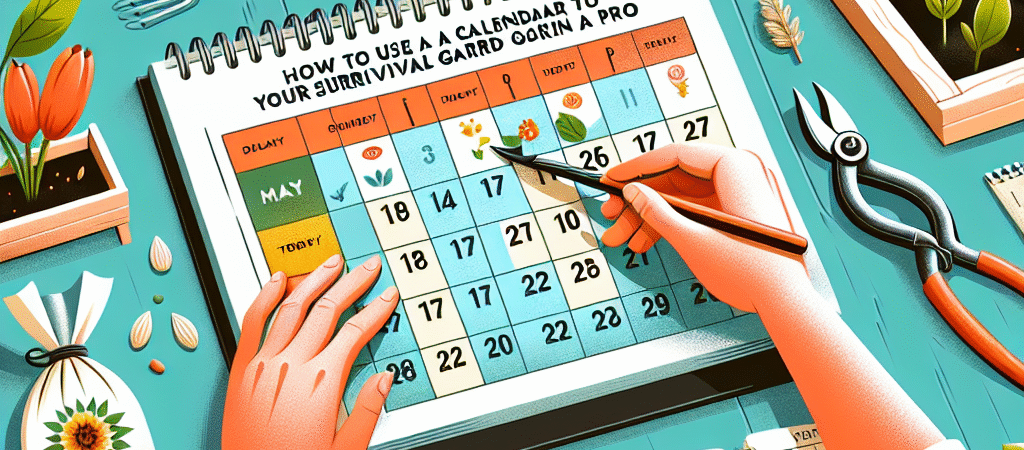
How to Use a Calendar to Plan Your Survival Garden Like a Pro
In an ever-changing world where self-reliance becomes increasingly vital, mastering the art of planning your survival garden can make all the difference. You are about to discover a powerful tool that can transform the way you grow food for sustenance: the calendar. Embrace the wisdom of the seasons and connect with nature’s rhythms to maximize your gardening efforts and build a resilient food system for your homestead.
- Understanding the Importance of Seasonal Planning
- Choosing the Right Calendar for Your Garden
- Creating Your Gardening Schedule
- Adapting to Climatic Changes and Unexpected Variations
- Tools to Enhance Your Calendar Planning
- Conclusion
- FAQ
Understanding the Importance of Seasonal Planning
Seasonal planning is at the heart of any successful survival garden. Through this practice, you align your planting and harvesting efforts with nature’s cycles, ensuring that your crops reach their full potential. Seasonal planning involves understanding the growing conditions of each plant, recognizing frost dates, and predicting weather patterns. It is here, within these seasonal parameters, that a calendar serves as an indispensable ally.
For instance, if you are in a region that experiences heavy rains during the spring, you will plan your planting schedule around these temperate months. Conversely, in arid areas, leveraging the early morning moisture can be crucial for young seedlings. This sort of planning not only optimizes crop yields but also maximizes resource efficiency.
Moreover, seasonal planning allows you to sequence your planting cycles to ensure continuous harvests throughout the year. By understanding the growth period of each plant, you can stagger plantings of the same crop. Tomatoes, for example, can be planted in multiple phases to extend the harvest into the fall. This approach not only diversifies your harvest but also evens out labor and resource demands across the planting season, making it easier to manage large gardens without feeling overwhelmed.
Consulting historical weather data and climate charts for your region can further enhance your seasonal planning. Websites like the Farmers’ Almanac offer invaluable insights into long-term weather predictions, helping you anticipate seasonal shifts well in advance. With this information woven into your calendar, you can create a robust, seasonally-informed gardening strategy that stands resilient against the whims of nature.
Choosing the Right Calendar for Your Garden
Selecting the appropriate calendar is crucial for aligning your gardening tasks effectively. While traditional paper calendars are fundamentally reliable and satisfying to engage with, digital calendars offer additional benefits such as reminders and easy modifications, especially helpful in dynamic gardening environments.
Google Calendar, for example, provides the flexibility to set recurring events, which is perfect for tracking regular maintenance tasks such as watering or pest inspections. You can customize alerts to remind you of critical dates, like planting periods, fertilization schedules, or expected frost dates, ensuring that nothing falls through the cracks.
Moreover, leveraging gardening apps specifically designed for your climate zone can further refine your calendar. These apps often come pre-loaded with local planting guides, pest deterrent schedules, and watering protocols tailored to your specific locale. They also allow for collaboration, meaning fellow gardeners or family members can contribute and stay updated with impending tasks. This cohesion not only enhances the efficiency of gardening operations but also fosters a sense of community and shared purpose in producing sustainable food.
When choosing a calendar, consider the scale and diversity of your garden. A robust permaculture garden may require a highly detailed calendar to track a myriad of interdependent plant species while smaller urban gardens can benefit from a simplified yet organized system. Regardless of your choice, ensure that your calendar reflects the unique demands of your garden and evolves as more insights are gathered over time.
Creating Your Gardening Schedule
Your gardening schedule is the backbone of your survival garden, effectively dictating how and when your garden thrives. Begin by assessing the hardiness zone of your region, which will guide you in selecting the varieties of crops best suited to your climate. The USDA Plant Hardiness Zone Map is a valuable resource in this respect, offering detailed climatological insights necessary for accurate calendar scheduling.
Following this, draft a month-by-month plan and integrate multiple planting cycles tailored to the life stages of your chosen crops. Allow adequate time for soil preparation before each planting period, incorporating practices such as composting, mulching, or soil amending, which enhance plant health and yield. Document these as recurring events on your calendar to ensure consistency over time.
Include contingency plans for weather irregularities, pests, and diseases that may threaten your garden. For instance, if aphids are a common problem by mid-summer, set reminders on your calendar for preventative measures, such as introducing ladybugs or neem oil applications at the beginning of the season.
Your schedule should also incorporate off-season planning, whereby cover crops are planted to improve soil fertility and structure during dormant periods. Winter rye or clover, for instance, can be sowed post-harvest to protect and enrich the soil, minimizing erosion and encouraging beneficial soil microbiota. By planning for every phase of your gardening year, you safeguard your survival garden’s productivity and sustainability, ensuring a lasting harvest.
Adapting to Climatic Changes and Unexpected Variations
Adaptability is crucial in the realm of survival gardening, where climatic changes can unpredictably shift the parameters of traditional gardening wisdom. Ensuring that your garden remains productive through these fluctuations requires both vigilance and flexibility within your calendar planning.
Begin by closely monitoring daily weather forecasts and patterns, adjusting your schedule in response to emerging threats like unexpected frosts or droughts. For example, if a late frost is predicted, be prepared to delay planting or take measures to protect seedlings with fabric covers or cloches. By remaining proactive, you can mitigate the adverse effects of such events on your garden.
Additionally, incorporating permaculture principles can offer resilience against climatic variability. These include creating guilds — the strategic grouping of plants with complementary functions, contributing to each other’s growth and protection. A guild involving nitrogen-fixing plants like legumes as companions for heavy feeders such as tomatoes can enhance soil health and buffer climatic extremes.
Lastly, record your experiences and observations each season, noting any anomalies or successful adaptive strategies. Building this historical record allows you to refine future planning, transforming challenges into educational opportunities and reinforcing your garden’s resilience against the uncertainties of climate change.
Tools to Enhance Your Calendar Planning
While the calendar itself is a central tool, integrating additional resources can significantly bolster your gardening efforts. Weather stations, for instance, provide real-time atmospheric data, enabling precise synchronization with your calendar’s scheduled tasks, from planting and pruning to irrigation and harvesting.
Using a garden journal in conjunction with your calendar can also be greatly beneficial. It serves as a repository for notes on crop performance, pest observations, and soil conditions, providing a context for the information recorded within your calendar. Over time, this combination becomes an interactive database that guides future decision-making processes and enhances the precision of your gardening activities.
Furthermore, innovations such as automated irrigation systems that adapt to weather conditions or soil moisture sensors that directly feed data to your calendar app ensure that water resources are used efficiently and effectively. These technologies minimize waste while maintaining optimal growth conditions for your plants.
The synergy between your calendar and these supplementary tools creates a harmonious system of planning and execution, allowing you to maintain a thriving, self-reliant garden. With each season, as your expertise grows and your strategies become more finely tuned, you will find yourself increasingly aligned with the natural cycles of your environment, embodying the essence of sustainable living.
Conclusion
Planning your survival garden with a calendar is more than just a task management solution—it’s a pathway to self-sufficiency and a more profound connection with the land you tend. By thoughtfully integrating seasonal dynamics, understanding climatic nuances, and utilizing technological tools, you create a resilient homestead capable of withstanding uncertainties. Each planting date marked on your calendar is a testament to your journey towards a sustainable, independent lifestyle. Embark on this venture with confidence, knowing that with each season, both you and your garden will continue to grow and thrive.
FAQ
What is the best type of calendar for survival gardening?
The best type of calendar depends on your personal preference and technological comfort. Traditional paper calendars are straightforward and accessible, whereas digital calendars, like Google Calendar, offer features such as reminders and recurring event scheduling. Additionally, specialized gardening apps can tailor-climate specific data for enhanced planning.
How can I protect my crops from unexpected frost?
Unexpected frosts can be mitigated by using protective materials such as frost blankets, row covers, or cloches to shield vulnerable plants. It’s crucial to monitor weather forecasts and have these resources readily available to deploy at short notice, ensuring rapid response to frost warnings.
How do I determine the planting dates for my region?
Planting dates are typically informed by the hardiness zone of your region, accessible through the USDA Plant Hardiness Zone Map. Cross-reference this data with local climate guides and historical weather patterns to ascertain optimal planting periods for your specific area.
What tools can further aid my calendar planning for survival gardening?
Integrating tools like weather stations, soil moisture sensors, and automated irrigation systems can significantly enhance your gardening calendar. These technologies deliver real-time data that inform and adjust your planned activities, ensuring optimal resource usage and plant care.