Survival Gardening Mistakes That Can Cost You Your Harvest
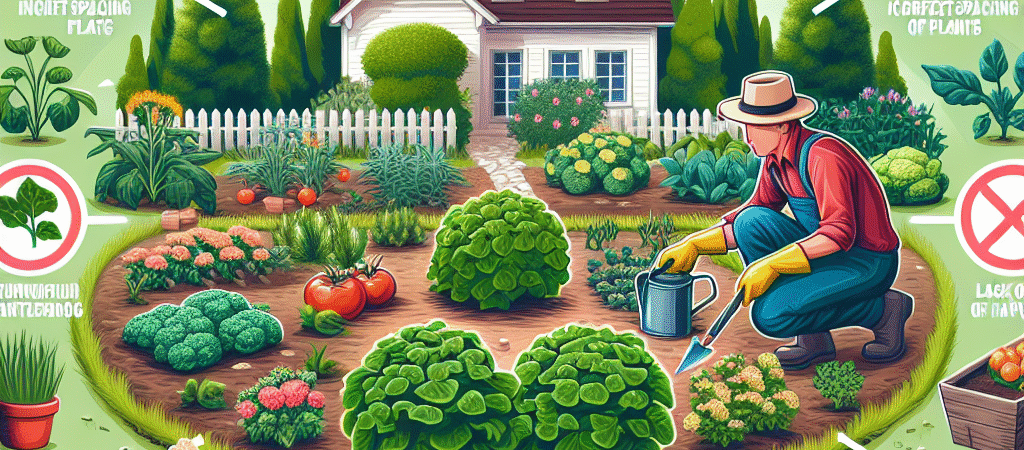
In the realm of self-reliance and sustainability, survival gardening stands as a paramount skill. For preppers and homesteaders, mastering the art of growing your own food can mean the difference between abundance and unexpected scarcity. However, even seasoned gardeners can falter due to common pitfalls. Here, we delve into the crucial mistakes that can jeopardize your survival garden’s potential and, ultimately, cost you your harvest.
- Not Understanding Your Climate
- Soil Management Errors
- Inadequate Water Conservation
- Neglecting Companion Planting
- Improper Seed Storage
- Conclusion
- FAQ
Not Understanding Your Climate
Understanding local climate conditions is fundamental to a successful survival garden. Many gardeners make the mistake of growing plants that aren’t suited to their region. This oversight can result in stunted growth or complete crop failure. Climate impacts not only the types of crops you can grow but also when you should plant them. For instance, a prepper residing in the Southwestern U.S. must account for intense heat and limited rainfall, which necessitates drought-resistant varieties like squash or beans. Failure to do so could lead to withered plants and minimal yield.
To sidestep this pitfall, conduct detailed research into your local growing zone. Utilize resources like the USDA Plant Hardiness Zone Map to determine the best-suited plants and optimal planting periods. Additionally, consider microclimates within your own property; sheltered areas may provide a warmer microclimate suitable for tender plants, which would falter in exposed, colder areas. Learning these nuances allows you to make informed decisions, boosting your garden’s yield dramatically.
An example of adapting to your climate is integrating heat-tolerant greens like amaranth or New Zealand spinach for hotter areas. These alternatives thrive under conditions where traditional lettuce would fail, ensuring a reliable supply of greens during summer. By aligning your planting calendar to fit with temperature fluctuations and average rainfall, you increase resilience and productivity in your survival efforts.
Soil Management Errors
The health of your garden begins with your soil. Overlooking soil management is a common error that many gardeners regret. Soil that is compacted, deficient in organic matter, or off in pH can severely impact your plants’ growth. It is crucial to routinely assess and amend your soil to support a thriving garden. A prepper might find their crops lacking in fortitude during critical times if they ignore this aspect.
Start by conducting a soil test to determine its texture, pH, and nutrient profile. Many agricultural extensions offer affordable testing services. Understanding your soil’s current state allows you to adjust it effectively; for example, lifting a restrictive pH by adding lime or correcting nutrient imbalances with specific composts or fertilizers. Avoid chemical fertilizers, as they may degrade soil health over time, favor a natural amendment approach to maintain sustainability.
A practical step is the creation of compost from kitchen scraps and yard waste. This not only enriches your soil with essential organic matter but also promotes beneficial microorganisms. In addition, practicing crop rotation and cover cropping reduces soil compaction and prevents nutrient depletion, thereby maintaining healthy soil structure. By avoiding such soil management mistakes, your garden will reward you with robust crops.
Inadequate Water Conservation
As climate patterns fluctuate, water becomes an increasingly precious resource for survival gardeners. Proper water management techniques are a crucial yet often overlooked aspect of gardening. Without efficient water conservation methods, you risk depleting your water supply, especially in drought-prone areas, leading to stressful growing conditions and poor harvests.
Rainwater harvesting is a strategic approach that ensures you capitalize on natural precipitation. This method involves collecting runoff from rooftops into barrels or cisterns, providing a sustainable water supply during dry spells. Additionally, using mulch in your garden conserves soil moisture and regulates temperature, mitigating the impact of hot and dry conditions.
Drip irrigation systems are another smart way to optimize water use. They deliver droplets of water directly to the plant’s root zone, minimizing evaporation and runoff. Implementing crop selection also aids water conservation; opt for drought-tolerant cultivars and native plants that have adapted to local climate variations. An organized setup geared towards water-efficient gardening becomes a critical asset for any prepper, ensuring reliable output even when water is scarce.
Neglecting Companion Planting
Companion planting is an age-old practice that enhances plant growth and resistance to pests. Unfortunately, many gardeners neglect this strategy, missing out on its multitude of benefits. Ignoring companion planting can stunt growth and invite pest infestations, hindering your yields. This is especially detrimental when every plant counts.
Companion plants offer numerous benefits; they can attract beneficial insects, repel harmful pests, and provide shade or support. For example, planting basil alongside tomatoes is known to improve the growth and flavor of the tomatoes while deterring unwanted insects like aphids and beetles. Similarly, the « Three Sisters » method, where corn, beans, and squash are planted together, forms a symbiotic trio that leverages each plant’s strengths, leading to a balanced ecosystem.
To leverage the benefits of companion planting, plan your garden layout meticulously. Identify plants with complementary relationships and space them accordingly. Be cautious of certain combinations, as some plants can inhibit others if planted too close due to root competition or allelopathic properties. By embracing this strategy, you create a more resilient and productive garden environment.
Improper Seed Storage
Seeds are a prepper’s lifeline; improper storage, however, can result in reduced germination rates and eventual crop failure. To preserve the integrity of your seeds, understanding proper storage techniques is essential. Seeds exposed to moisture, heat, or pests can quickly become nonviable, effectively nullifying your stockpile efforts.
Maintain a cool, dark, and dry environment for storing seeds, aiming for conditions under 40 degrees Fahrenheit with low humidity. Airtight containers are indispensable, preventing moisture ingress and pest access. Consider vacuum-sealing or using desiccants like silica gel to extract residual moisture further, enhancing the longevity of your seeds.
Labeled storage is critical as well—label each container with the seed type and the date of storage to monitor viability lifespan. Rotating your seed stock ensures you’re planting the freshest seeds possible, increasing germination success rates. This systematic approach to seed storage is key in maintaining a reliable seed bank, safeguarding your future harvests.
Conclusion
Successfully navigating the challenges of survival gardening entails a deep understanding of potential missteps. By recognizing and avoiding these common mistakes—understanding climate, managing soil, conserving water, utilizing companion planting, and storing seeds correctly—your garden can thrive under any circumstance. The resilience of your garden reflects your preparedness and foresight, ensuring that your efforts yield fruitful results when you need them the most.
FAQ
What are common mistakes in survival gardening?
Common mistakes include growing unsuitable plants for your climate, poor soil management, inadequate water conservation, neglecting companion planting, and improper seed storage. Each of these errors can severely impact your garden’s productivity and sustainability, which is why understanding and addressing them is crucial for any prepper or homesteader.
How can I determine my garden’s climate?
To determine your garden’s climate, use resources like the USDA Plant Hardiness Zone Map. It provides zoning information based on average climatic conditions, guiding you in choosing the appropriate plants for your area. Additionally, be aware of microclimates by observing variations in sunlight, wind, and moisture levels around your property.
What is the best way to conserve water in a survival garden?
Rainwater harvesting, mulch application, and drip irrigation systems are effective methods for conserving water. Choosing drought-tolerant crops and practicing efficient watering habits also contribute to reducing water usage while maintaining healthy plant growth. Adopting these practices ensures a sustainable water supply tailored to your survival needs.
Why is proper seed storage important?
Proper seed storage maintains seed viability by protecting them from environmental factors like moisture, heat, and pests, which can reduce germination rates. By storing seeds under cool, dry, and dark conditions, you preserve their potential for successful growth, ensuring a dependable resource in times of need.